

 English
 Français
 русский
 Español
 Português
 عربى

تُعد البرجولات ذات الفتحات أنظمة تظليل خارجية متعددة الاستخدامات تتميز بأسقف من الألومنيوم مع فتحات دوارة يمكن تعديلها للتحكم في ضوء الشمس والتهوية والحماية من المطر. تتوفر هذه الملاجئ في التشغيل الآلي أو اليدوي، وهي تخلق ملاجئ خارجية قابلة للتكيف للمساحات السكنية والتجارية.
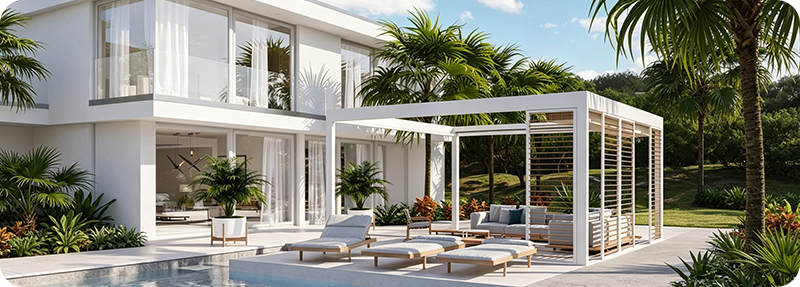
الشاشات ذات السحاب هي أنظمة غربلة خارجية ذات قنوات جانبية بسحاب تحافظ على شد القماش بشكل آمن، وتحمي من الحشرات والرياح والأشعة فوق البنفسجية والمناظر غير المرغوب فيها مع الحفاظ على الرؤية الخارجية. إنها تخلق بيئة مريحة وخاصة لمختلف المساحات الخارجية.
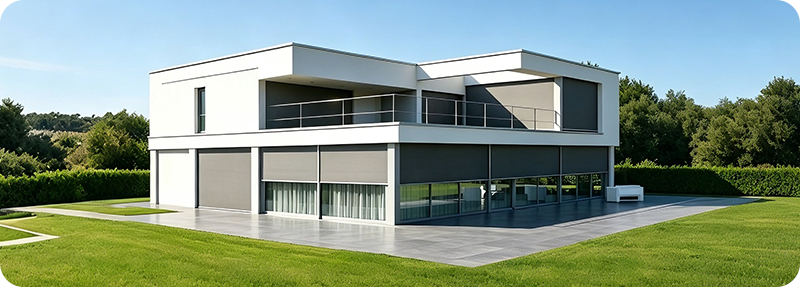
تتخصص شركة SUNC في البحث والتطوير وتصنيع أجنحة سبائك الألومنيوم المتطورة وأنظمة التظليل الخارجية الذكية.
تم تصنيعها من سبائك الألومنيوم 6063-T66 عالية القوة، ونحن نقدم حلولاً مرنة ومخصصة ودعمًا احترافيًا للمشاريع للساحات السكنية وتراسات حمامات السباحة والمطابخ الخارجية، بالإضافة إلى مناطق تناول الطعام في الهواء الطلق في المطاعم ومناطق الصالة في الفنادق البوتيكية ومساحات الترفيه التجارية والأماكن الرياضية المختلفة. تخلق منتجاتنا تجربة معيشة خارجية قابلة للاستخدام في جميع الأحوال الجوية.
تم تصنيعها من سبائك الألومنيوم 6063-T66 عالية القوة، ونحن نقدم حلولاً مرنة ومخصصة ودعمًا احترافيًا للمشاريع للساحات السكنية وتراسات حمامات السباحة والمطابخ الخارجية، بالإضافة إلى مناطق تناول الطعام في الهواء الطلق في المطاعم ومناطق الصالة في الفنادق البوتيكية ومساحات الترفيه التجارية والأماكن الرياضية المختلفة. تخلق منتجاتنا تجربة معيشة خارجية قابلة للاستخدام في جميع الأحوال الجوية.
قم بتعزيز تجربة Qutdoor الخاصة بك.
قم بترقية عريشتك بميزات ذكية وإكسسوارات متميزة مصممة خصيصًا لك الراحة والخصوصية والوظائف على مدار العام.
قم بترقية عريشتك بميزات ذكية وإكسسوارات متميزة مصممة خصيصًا لك الراحة والخصوصية والوظائف على مدار العام.
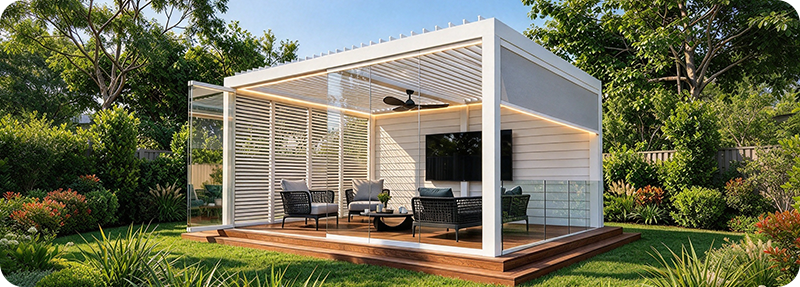
سواء كان الأمر يتعلق بساحات الفيلات أو التراسات التجارية أو مناطق الترفيه الخارجية، تعتمد SUNC تصميمًا هيكليًا بسيطًا وأداءً موثوقًا به في التظليل الشمسي لمساعدة المستخدمين على إنشاء مساحات معيشة خارجية مريحة ومرتبة وعالية الجودة.
المدونات
الرئيسية / المدونات
-
 2026.11.06
How Can Zip Screens Improve Outdoor Comfort Without Blocking the View?
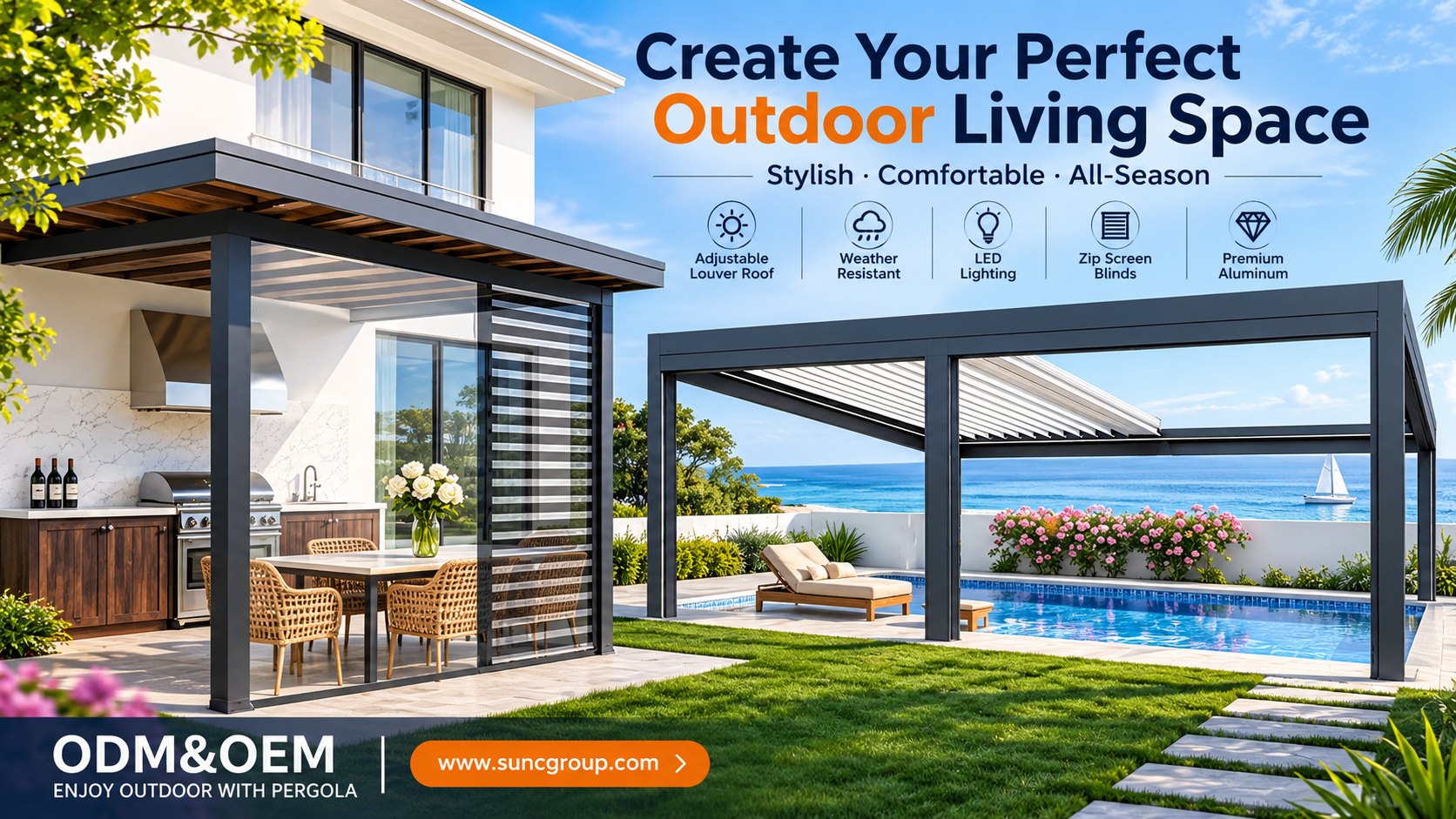
As outdoor living spaces become an important part of residential and commercial architecture, property owners are looking for practical ways to manage sunlight, wind, glare, and privacy without sacrificing an open atmosphere. Traditional outdoor blinds often struggle to balance these requirements, particularly in exposed patios, balconies, pergolas, and large glass-fronted spaces. This has increased interest in the Zip Screen system, which combines guided fabric movement with a more controlled side structure. For architects, contractors, and wholesale buyers, understanding how different screen configurations perform is essential to selecting products that meet changing project requirements. Why Are More Buyers Considering Zip-Guided Outdoor Screens? Modern outdoor spaces are expected to provide more than basic shade. Homeowners want comfortable environments that remain visually connected to their gardens, terraces, and surrounding landscapes. Commercial property developers also need flexible shading solutions for restaurants, hotels, office terraces, and hospitality venues. Unlike conventional roller blinds, a zip-guided screen uses fabric edges that engage with dedicated side channels. This structure helps keep the fabric in position during operation and reduces unwanted gaps along the sides. For projects requiring a combination of solar control, privacy, and improved fabric stability, this design offers a practical alternative to traditional outdoor shading products. How Does the Side-Channel Design Improve Performance? One common problem with outdoor roller blinds is fabric movement caused by changing wind conditions. Loose fabric edges may flap, shift, or become uneven during operation, affecting both appearance and usability. A Zip Screen addresses this issue through several coordinated components: Zippered fabric edges: Help retain the fabric within the side channels throughout its travel. Aluminum guide rails: Provide a defined operating path and support consistent fabric movement. Bottom bar: Helps maintain fabric tension and contributes to a neat appearance. Headbox: Protects the rolled fabric when the screen is retracted. However, overall wind performance depends on the complete system, including dimensions, fabric selection, installation structure, and fixing methods. Buyers should request model-specific test information rather than assume every zip screen offers the same wind resistance. Choosing the Right Fabric for Sunlight and Privacy Fabric selection directly influences the user experience. A screen designed primarily for glare reduction may require different material characteristics from one intended for privacy or insect protection. Solar mesh fabrics are commonly considered for outdoor applications because they help filter sunlight while maintaining varying levels of outward visibility. Their openness factor, color, and weave structure should be evaluated according to the project's orientation and exposure. For example, a lower openness factor may provide greater visual screening, while a more open mesh can preserve a clearer connection with the outdoor environment. As a manufacturer, we recommend evaluating fabric samples under actual lighting conditions before confirming large-volume orders. This helps distributors and project contractors avoid mismatches between product expectations and final installation results. Is Motorized Operation Worth Considering? Motorized outdoor shading is becoming increasingly relevant as smart home technology expands into exterior living areas. Recent industry discussions highlight growing interest in automated shading, sensor-based control, and integrated outdoor environments. For large patios, pergolas, and commercial openings, motorized zip screens can simplify daily operation and reduce the physical effort required to adjust multiple screens. Depending on the selected motor and control system, buyers may consider: Remote control for convenient daily adjustment. Wall switches for straightforward operation. Smart home integration where compatible. Wind sensors that trigger automatic retraction when configured operating limits are exceeded. Electrical compatibility, motor capacity, and control requirements should be confirmed before production and installation. What Installation Problems Should Buyers Avoid? Even a well-designed screen can experience operational problems when the opening or supporting structure is unsuitable. Incorrect measurements, uneven mounting surfaces, and poorly aligned guide rails may cause fabric resistance or uneven movement. Before placing an order, project teams should check: Opening width and height at multiple measurement points. Whether mounting surfaces are level and structurally suitable. Available installation space for the headbox and side channels. Electrical access for motorized configurations. Local weather exposure and applicable installation requirements. These checks help reduce installation adjustments, unnecessary replacement costs, and after-sales issues. Why Does Manufacturing Consistency Matter for Bulk Orders? For importers, distributors, and construction contractors, product consistency is just as important as initial product performance. Differences in fabric dimensions, aluminum profiles, color finishes, and component compatibility can create difficulties when multiple units are installed within the same project. Working with an experienced Zip Screen manufacturer allows buyers to discuss product configurations, fabric options, dimensions, operating methods, and packaging requirements before mass production. We focus on understanding the intended application and matching the screen structure to project specifications. Clear technical communication and consistent production checks also help overseas partners manage procurement schedules and maintain product standards across different orders. How to Select a Suitable Zip Screen Supplier? The right supplier should provide more than a product quotation. Buyers should evaluate manufacturing experience, component specifications, available fabric choices, customization capabilities, quality inspection procedures, and technical support. It is also worth discussing sample approval, installation instructions, spare parts availability, and packaging protection for international transportation. As outdoor architecture continues to prioritize flexible shading and connected living environments, demand for practical exterior screen solutions is likely to remain an important consideration for the building materials market. Choosing a properly configured Zip Screen from a capable manufacturer can help distributors and project buyers deliver better outdoor comfort, maintain visual appeal, and meet the functional requirements of different international markets. -
2026.09.21
دعوة R+T Asia 2023
-
 2026.07.29
العريشة المصنوعة من الألومنيوم Z200: حيث تجتمع الأفاريز المتدلية مع الدقة المعمارية
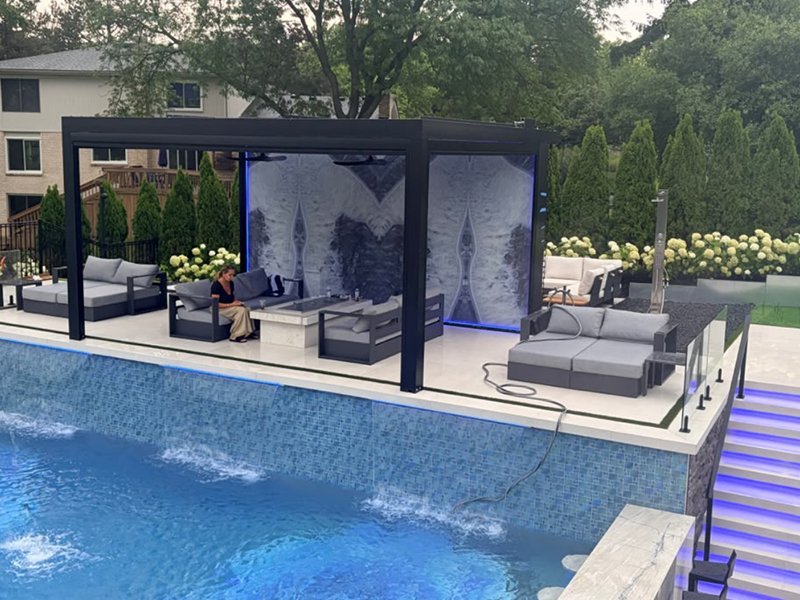
مقدمة: ما وراء الفناء الخلفي العادي في SUNC Pergola، نعتقد أن المساحة الخارجية الخاصة بك يجب أن تكون أكثر من مجرد ساحة. يجب أن تكون وجهة - مكان تلتقي فيه الهندسة المعمارية بالطبيعة، حيث تحكي كل التفاصيل قصة، وحيث تمتد الحرفية عبر أجيال. على مدى ثلاثة أجيال، تم تكريم LVS لابتكارها تصميمات حائزة على جوائز تمزج بين الهندسة المعمارية والحرفية والابتكار في مساحات معيشة خارجية خالدة. اليوم، نحن فخورون بتقديم أحد أكثر إبداعاتنا شهرة: Z200 برجولا الومنيوم . Z200 ليست مجرد عريشة أخرى. إنها دراسة في الدقة المعمارية - هيكل لا يتبع الاتجاهات، ولكنه يحددها . تسوق للأعمال 66 كوبونات متاحة ميزة التوقيع: تصميم إيف المتدلي ما يميز Z200 حقًا هو الإفريز العائم المتدلي - وهو عنصر تصميم يقوم بما هو أكثر بكثير من مجرد لفت الأنظار. تمتد الأفاريز المتدلية إلى ما هو أبعد من البصمة الهيكلية، وتخدم أغراضًا متعددة: تغطية موسعة للطقس — توفر الأفاريز الممتدة حماية أوسع من الشمس والمطر، مما يجعلك مرتاحًا في المزيد من الظروف. ظل أعمق - يلقي الجزء المتدلي الممتد ظلالاً أطول على مدار اليوم، مما يخلق مساحة أكثر برودة وأكثر جاذبية أسفله. الدراما المرئية – تخلق الصورة الظلية العائمة بيانًا معماريًا مذهلاً يرفع من قيمة أي ملكية على الفور. مساحة قابلة للاستخدام ممتدة - يعمل الجزء المتدلي على توسيع منطقة المعيشة الخارجية الخاصة بك بشكل فعال، مما يؤدي إلى عدم وضوح الخط بين الداخل والخارج. هذا ليس مجرد جماليات، إنه تصميم مقصود. يتم حساب كل خط وكل زاوية وكل ظل لتحويل الفناء العادي إلى وجهة معمارية. مصممة للأداء المتميز: القصة الهندسية لـ Z200 تحت مظهرها الخارجي الأنيق تكمن هندسة جادة. Z200 مصنوع من الألومنيوم المطلي بالمسحوق عالي التحمل - وهي مادة تم اختيارها لمتانتها الاستثنائية ومقاومتها للصدأ وقوتها خفيفة الوزن. المواصفات الرئيسية: ميزة التفاصيل نموذج عريشة ألمنيوم Z200 مادة الإطار ألومنيوم مقذوف عالي التحمل، لمسة نهائية مطلية بالمسحوق نظام السقف فتحات تهوية آلية قابلة للتعديل (دوران 0–110 درجة) السيطرة التطبيق عن بعد والهاتف الذكي (نظام Somfy الميكانيكي) الصرف المتكامل قنوات مخفية للأداء في جميع الأحوال الجوية الإضاءة شرائط RGB LED قابلة للتعتيم مدمجة في الإطار التخصيص اللون القياسي: طلاء مسحوق PPG رمادي غامق / أبيض / أسود ولون مخصص (مخطط ألوان RAL) مادة 6063-T66 وSUS304 الأجزاء المعدنية التثبيت التصميم المعياري يدعم التركيب الذاتي أو الاحترافي يمنحك نظام التهوية المزود بمحرك في Z200 التحكم الكامل في بيئتك: مغلق بالكامل - حماية كاملة من الظل والمطر مفتوح جزئيًا - تدفق الهواء مع حجب أشعة الشمس المباشرة مفتوح بالكامل - أقصى قدر من ضوء الشمس والهواء النقي ومع نظام Somfy الذكي، يمكن للعريشة أن تستجيب لظروف الطقس تلقائيًا - حيث يتم إغلاقها عند اكتشاف المطر أو تعديل زوايا فتحات التهوية بناءً على موضع الشمس. تصميم يعمل في أي مكان إن المظهر الجمالي البسيط والنظيف لكاميرا Z200 يجعلها متعددة الاستخدامات بشكل ملحوظ. سواء كنت: يتطلع صاحب المنزل إلى تحويل السطح العاري إلى غرفة معيشة خارجية على مدار العام يبحث مهندس المناظر الطبيعية عن هيكل يثبت التصميم الخارجي دون التضحية بالانفتاح مطور تجاري يرغب في رفع منطقة بجوار حمام السباحة أو شرفة الفندق أو فناء المطعم يتكيف Z200. يدعم تصميمه المعياري كلاً من التركيبات القائمة بذاتها والمثبتة على الحائط، وتضمن أبعاده وألوانه القابلة للتخصيص أنه يكمل أي نمط معماري. قام أحد مالكي المنازل في الولايات المتحدة مؤخرًا بتحويل سطح مرتفع مكشوف إلى صالة خارجية أنيقة ومحمية من الطقس - تم تركيبها كلها بنفسه، وذلك بفضل التصميم المعياري للتوصيل والتشغيل لجهاز Z200. في النمسا، اختار عميل آخر Z200 مثبتًا على الحائط بجانب حمام السباحة الخاص به، مما أدى إلى تحويل مساحة عاصفة وغير مريحة إلى ملاذ هادئ طوال الموسم. ما وراء الهيكل: التجربة الكاملة تم تصميم Z200 ليكون أكثر من مجرد هيكل ظل، فهو الأساس لتجربة معيشة كاملة في الهواء الطلق. تخلق إضاءة LED المدمجة توهجًا معماريًا نظيفًا، مما يزيد من سهولة الاستخدام بعد غروب الشمس. ستائر الشاشة المضغوطة - متوفر بمستويات انفتاح متعددة - يوفر الحماية من الرياح والدفاع عن الأشعة فوق البنفسجية والخصوصية دون التضحية بالمناظر. يمكن إضافة سخانات خارجية لتوفير الراحة في المواسم الباردة، مما يجعل العريشة مساحة معيشة عملية طوال معظم أيام العام. تعمل هذه العناصر معًا على تحويل الهيكل البسيط إلى امتداد وظيفي لمنزلك - وهو مكان تُصنع فيه الذكريات في كل موسم. ثلاثة أجيال من الحرفية. تصميم مميز واحد. في SUNC Pergola، نحن لا ننتج كميات كبيرة. نحن نصنع. تم تصميم كل Z200 بنفس الاهتمام بالتفاصيل الذي ميز عمل عائلتنا على مدار ثلاثة أجيال. نحن لا نتبع اتجاهات التصميم، بل نصنعها. وZ200 هو الدليل. تفضل بزيارة معارضنا تجربة Z200 شخصيا. تفضل بزيارة إحدى صالات العرض لدينا لمشاهدة فتحات التهوية الآلية أثناء عملها، والشعور بجودة المواد، ودع فريق التصميم لدينا يساعدك على تصور تحفة فنية خارجية خاصة بك. على استعداد لتحويل الفناء الخلفي الخاص بك إلى وجهة؟ اتصل بنا اليوم لتحديد موعد للتشاور. -
 2026.07.23
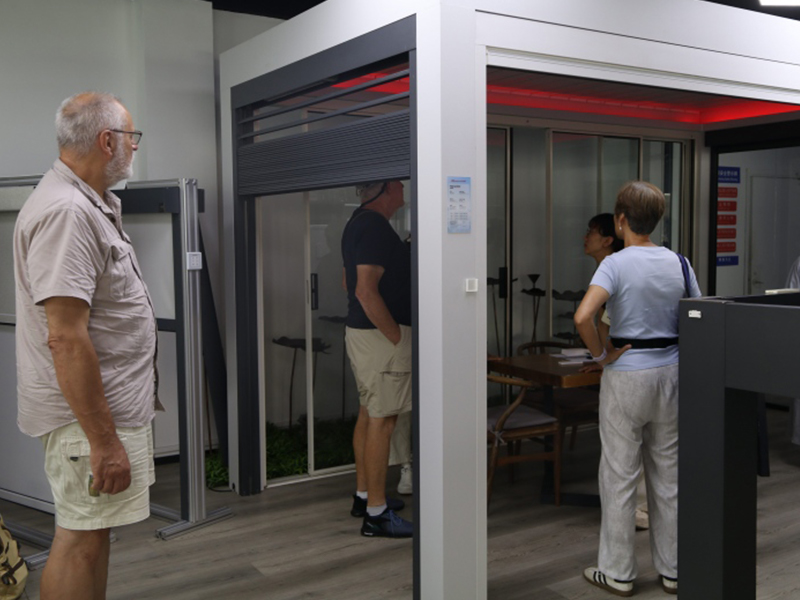
التصميم الذي يهتم: كيف فازت أعمدة الألمنيوم المنحنية والمعززة لدينا بعائلة نيوزيلندية
اكتشف السبب الذي دفع أحد مالكي المنازل في نيوزيلندا إلى اختيار أعمدة العريشة المنحنية المقاومة للصدمات المصنوعة من الألومنيوم بدلاً من الأنابيب المربعة القياسية - مما يوفر أمانًا فائقًا للأطفال وكبار السن، مع جماليات حديثة ومتانة لا تحتاج إلى صيانة. عندما يزور العملاء الدوليون مصنعنا، فإنهم يصلون عادةً بقائمة مرجعية عملية: درجة المواد، ومقاومة التآكل، والمهل الزمنية، وخيارات الألوان. ولكن خلال الجولة الأخيرة مع عميل قادم من نيوزيلندا، احتل موضوع غير متوقع مركز الصدارة - وهو سلامة الأسرة. وأثناء تجوالها في صالة العرض الخاصة بنا، أمضت وقتًا إضافيًا في فحص برجولات الألومنيوم الرائدة لدينا. لقد أعجبت بالخطوط الواضحة، والصورة الظلية المعاصرة، واللمسات النهائية المتميزة، لكن عينيها ظلتا تعودان إلى التفاصيل التي يتجاهلها معظم الناس حتى يتعايشوا معها كل يوم: تصميم منشورات الدعم لدينا. وباعتبارها أمًا لأطفال صغار ومقدمة رعاية لأبوين مسنين، لم يكن اهتمامها الأساسي مجرد التغلب على العاصفة، بل كان منع الصدمات والرحلات والإصابات اليومية في مساحة المعيشة الخارجية التي تستخدمها عائلتها على مدار العام. قالت لنا: "هناك الكثير من البرجولات الجميلة في السوق". "لكن العثور على تصميم يمزج بين الهندسة المعمارية الحديثة والسلامة الحقيقية للأطفال الصغار والأجداد هو أمر نادر. وفي الواقع، يمنحني تصميم هذا المنشور راحة البال." فيما يلي نظرة فاحصة على الهندسة التي تكمن وراء راحة البال، ولماذا يُحدث تصميم السلامة المدروس فرقًا كبيرًا في البيئات الخارجية الواقعية. تشريح موقع أكثر أمانًا: قوي من الداخل، ناعم من الخارج على عكس الأنابيب المربعة التقليدية ذات الزوايا الحادة البالغة 90 درجة، تتميز أعمدة الألومنيوم الخاصة بنا بتصميم ثنائي متخصص - أضلاع تقوية داخلية لتحقيق سلامة هيكلية استثنائية، مقترنة بمظهر خارجي مستدير بأناقة. هذا ليس مجرد قرص تجميلي. فيما يلي ثلاثة أسباب ملموسة تجعل هذا المنشور يتفوق على الملفات القياسية من حيث السلامة وطول العمر. 1. انتقالات الزاوية المنحنية - تقليل التأثير وأضرار الحواف تتميز الأعمدة المربعة القياسية بحواف زاوية قائمة لا ترحم. يعيد تصميمنا المتقدم ذو الزوايا المستديرة تعريف السلامة والمتانة: صديقة للأطفال وكبار السن - حواف ناعمة تمنع الزوايا الحادة، مما يقلل بشكل كبير من خطر الجروح أو الكدمات أو إصابات الرأس الناتجة عن الاصطدامات العرضية. تبديد قوة التأثير - تعمل الهندسة المنحنية بشكل طبيعي على توزيع قوة الارتطام عبر منطقة أوسع، بدلاً من تركيزها على نقطة واحدة. الحماية النهائية—الزوايا الحادة بزاوية 90 درجة هي أول مكان تظهر فيه رقائق أو رقائق طلاء المسحوق عند الاصطدام. التحولات الدائرية تقاوم التقطيع، مما يحافظ على مظهر العريشة الخاص بك جديدًا لسنوات. مثالية لـ: الساحات الخلفية السكنية، والباحات المناسبة للعائلات، وصالات حمام السباحة في الفندق، والملاعب، والشرفات التجارية ذات حركة المرور العالية. 2. سُمك الجدار للخدمة الشاقة - مقاومة فائقة للصدمات الحياة في الهواء الطلق نشطة - حيث يلعب الأطفال لعبة المطاردة، أو يعيدون ترتيب الأثاث الثقيل، أو يوقفون الدراجات، أو المبردات المتدحرجة. سوف مشاركاتك تأخذ تقرع. تم تصميم منشوراتنا بجدران خارجية سميكة: الوقاية من الانبعاجات - يمتص مقياس الألومنيوم الإضافي الصدمات اليومية والاصطدامات الطفيفة دون حدوث خدوش أو أقواس قبيحة. حماية التجويف الداخلي - تتبدد طاقة التأثير عبر المظهر الجانبي الخارجي، ولا تنهار أبدًا إلى الداخل لتؤثر على التعزيز الداخلي. مصمم للمناطق النشطة - مثالي للمناطق القريبة من الممرات أو أسطح حمامات السباحة أو المطابخ الخارجية أو الأماكن التجارية المزدحمة. 3. البثق السلس لقطعة واحدة — سلامة هيكلية موحدة لا تقتصر السلامة على الحواف الناعمة فحسب، بل تتعلق بالموثوقية على مدار عقود. يتم تصنيع مقاطعنا البريدية على شكل بثق ألومنيوم منفرد وغير ملحوم: لا توجد طبقات لحام - لا توجد نقاط ضعف، ولا تشققات في الدرزات، ولا يوجد فشل هيكلي تحت ضغط الرياح أو الوزن. توزيع متساوي للأحمال - يتم نقل أحمال الرياح والثلوج والسقف بشكل موحد عبر الملف الشخصي بأكمله. طلاء مسحوق لا تشوبه شائبة - يضمن السطح الأملس الخالي من الدرزات التصاقًا فائقًا للطلاءات الخارجية - فالصدأ والتآكل ببساطة لا يحصلان على موطئ قدم. لا توجد صيانة تقريبًا - مقاومة التشقق والاعوجاج والبهتان تعني أن مالك المنزل يستمتع ببنية جميلة مع الحد الأدنى من الصيانة على المدى الطويل. حيث يلتقي الجمال بالتصميم الذي يركز على الإنسان ذكّرتنا زيارة عميلنا النيوزيلندي بحقيقة أساسية: أفضل تصميم يتمحور حول الإنسان. العريشة ليست مجرد بيان معماري - فهي المكان الذي تتجمع فيه العائلات ويلعب الأطفال ويستريح الأجداد في الظل. من خلال الجمع بين القوة الداخلية والشكل الخارجي الناعم والوقائي، توفر البرجولات المصنوعة من الألومنيوم مظهرًا عصريًا راقيًا لا يتنازل أبدًا عن السلامة. وبالنسبة لمناخ نيوزيلندا الفريد - من الهواء الساحلي المالح إلى الأشعة فوق البنفسجية الشديدة والرياح العاصفة - فإن هذا التصميم يوفر المرونة وراحة البال التي يقدرها أصحاب المنازل المحليون حقًا. هل أنت على استعداد لإضفاء ظل أكثر أمانًا وجمالاً على مشروعك؟ سواء كنت مالك منزل، أو مهندسًا معماريًا، أو عامل بناء، يسعدنا أن نعرض لك الفرق الذي تحدثه الهندسة المدروسة. تعاقد مع فريقنا اليوم لطلب عينات هيكلية أو أوراق بيانات فنية أو لتحديد موعد لجولة افتراضية أو شخصية في صالة العرض. دعونا نبني مساحات خارجية آمنة بقدر ما هي مذهلة. -
 2026.07.16
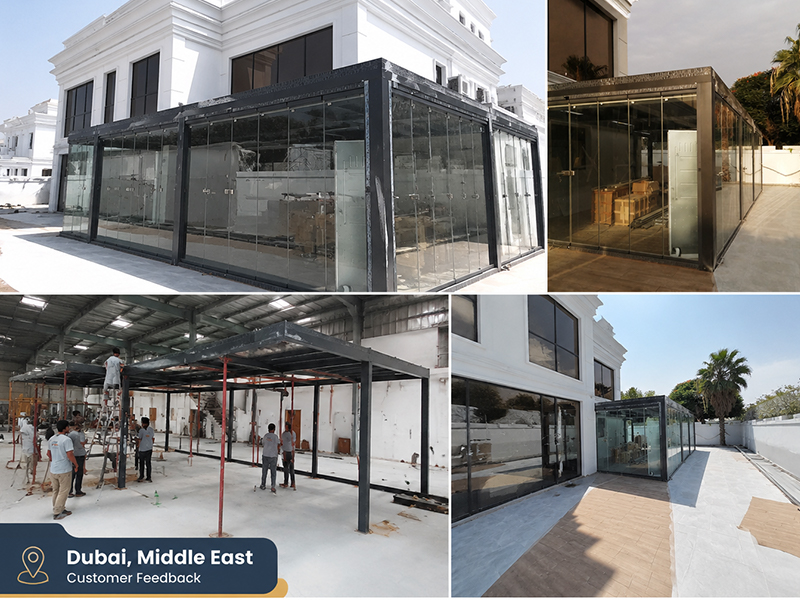
حياة فاخرة في الهواء الطلق في دبي: دراسة حالة لبرجولة ألمنيوم Z200 (10×16 قدم)
إعادة تعريف الفخامة الخارجية في دبي تتطلب مجتمعات الفلل المرموقة في دبي مساحات خارجية أنيقة وعملية في نفس الوقت. في مشروعنا الأخير، عقدنا شراكة مع مالك منزل مميز لتركيب عريشة ألمنيوم Z200 مخصصة - وهي عبارة عن هيكل يبلغ طوله 10 × 16 قدمًا يربط بسلاسة بين الراحة الداخلية والبيئة الخارجية الخلابة. هذا التثبيت هو أكثر من مجرد غطاء الظل. إنها ملاذ يمكن التحكم في مناخه ومصمم ليتحمل أشعة الشمس والرياح والغبار الشديدة في دولة الإمارات العربية المتحدة - مع رفع المستوى الجمالي الحديث للفيلا. فيما يلي، نقوم بتحليل التصميم والمواصفات الفنية والأداء الحقيقي الذي يجعل هذا المشروع معيارًا للبرجولات السكنية الفاخرة في دبي. لقطة المشروع ميزة التفاصيل الموقع فيلا خاصة، دبي (الإمارات العربية المتحدة) نموذج العريشة Z200 الحجم الكلي 10 قدم × 16 قدم (بصمة مصممة خصيصًا) مادة سبائك الألومنيوم 6063-T66 الملف الشخصي بليد 220 × 50 × 2.0 ملم ملف تعريف الشعاع 202 × 160 × 3.5 ملم نشر الملف الشخصي 160 × 160 × 2.5 ملم إنهاء طلاء مسحوق أسود غير لامع (مقاوم للتآكل) الضميمة أبواب منزلقة زجاجية بدون إطار بمحيط كامل الإضاءة إضاءة محيطية LED مدمجة لماذا Z200 Louver Pergola؟ مُصممة خصيصًا لمناخ دبي الصغير يعد طراز Z200 هو الحل المتميز للفيلات الراقية - وهذا التثبيت الذي تبلغ مساحته 10 × 16 قدمًا يثبت السبب. تم تصميم كل ملف تعريف بدقة من الألومنيوم 6063-T66، وهي سبيكة من الدرجة البحرية توفر نسبة قوة إلى وزن استثنائية ومقاومة طبيعية للتآكل. إلى جانب طبقة مسحوقية عالية المتانة، يقاوم الهيكل البهتان والطباشير وتدهور الهواء المالح - وهو أمر بالغ الأهمية للبيئات الساحلية والصحراوية. الشفرة (220 × 50 × 2 مم): توفر قدرة تحمل مثالية لمسافات واسعة، مما يضمن الصلابة بدون كتلة بصرية ضخمة. العارضة (202 × 160 × 3.5 ملم): تعمل بمثابة العمود الفقري الهيكلي الأساسي، حيث تدعم العلبة الزجاجية وتتحمل رفع الرياح الشائع في المدرجات المفتوحة في دبي. العمود (160 × 160 × 2.5 مم): يوفر دعمًا رأسيًا رفيعًا وقويًا، مما يتيح لنظام الزجاج بدون إطار الانزلاق بسلاسة مع الحفاظ على البساطة المعمارية. النتيجة؟ هيكل خفيف ومفتوح، ولكنه يوفر مرونة من الدرجة الصناعية ضد حرارة 45 درجة مئوية والعواصف الرملية العرضية. تناغم التصميم: المزج مع الهندسة المعمارية الحديثة للفيلا دعت واجهة الفيلا ذات الألوان الفاتحة إلى تباين مذهل - ومن هنا جاء اللون الأسود غير اللامع للعريشة Z200. لا يؤدي هذا الاختيار إلى تثبيت الشرفة بصريًا فحسب، بل يمتص أيضًا وهجًا أقل انعكاسًا، مما يحافظ على راحة المنطقة المحيطة. تم تعيين الطباعة مقاس 10 × 16 قدمًا بشكل مخصص على الشرفة الموجودة، مما يوفر تغطية واسعة للصالة ومنطقة تناول الطعام دون إرباك المساحة الخارجية. إن الأشكال الخطية النظيفة لـ Z200 تكمل الهندسة المعمارية المعاصرة في دبي، حيث يتم الاحتفاء بالخطوط المستقيمة والمستويات المفتوحة. ميزات متميزة لراحة طوال العام 1. الأبواب الزجاجية المنزلقة بدون إطار (المحيط الكامل) بدلاً من الجدران الثابتة، يستخدم الهيكل بأكمله أبوابًا زجاجية عالية الوضوح بدون إطار. هذا التصميم: يحافظ على مناظر بانورامية متواصلة للحديقة والأفق. ينشئ حاجزًا مقاومًا للطقس ضد الغبار والرياح والأمطار العرضية. يتيح التحويل الكامل للهواء الطلق عند سحب الأبواب - مرونة حقيقية في الداخل والخارج. 2. الإضاءة المحيطة LED المتكاملة يوفر نظام LED المدمج بمهارة داخل هيكل الشعاع ما يلي: ضوء محيطي دافئ وخافت للترفيه في المساء. تعزيز السلامة على طول مسارات الأبواب الزجاجية. تأثير "متوهج" فاخر يسلط الضوء على هندسة العريشة النظيفة في الليل. 3. أداء جاهز لمواجهة المناخ عند إقرانه بنظام تبريد محمول أو مثبت على السقف، يحبس الغلاف الزجاجي الهواء البارد، مما يجعل الشرفة قابلة للاستخدام حتى أثناء ذروة الحرارة في شهر يوليو. في الأشهر الباردة، يؤدي فتح الأبواب إلى هبوب النسمات الطبيعية - وهو حل متعدد الاستخدامات لمناخ دبي الذي يمتد على مدار موسمين. الفوائد التي تركز على المناطق الجغرافية: لماذا يختار أصحاب المنازل في دبي هذا النظام هل تبحث عن "برجولة ألومنيوم دبي" أو "إطار زجاجي خارجي بالإمارات العربية المتحدة"؟ يعالج هذا المشروع بشكل مباشر أهم اهتمامات المشترين المحليين للسلع الفاخرة: تخفيف الغبار: تعمل الأبواب الزجاجية محكمة الغلق على تقليل دخول الرمال بنسبة تزيد عن 90%، مما يحافظ على نظافة الأثاث والحد الأدنى من الصيانة - وهي نقطة بيع رئيسية للمحترفين المشغولين. الحماية من الأشعة فوق البنفسجية: يحمي الألومنيوم المطلي بالمسحوق وشفرات تظليل الشمس الاختيارية (غير موضحة، ولكنها متوافقة) من الأشعة فوق البنفسجية الضارة، مما يحافظ على الأقمشة والتشطيبات الخارجية. القيمة المضافة: يضيف الهيكل الدائم عالي المواصفات مثل عريشة Z200 لقطات مربعة قابلة للقياس إلى المساحة القابلة للاستخدام بالفيلا، مما يعزز جاذبية إعادة البيع في سوق العقارات التنافسي في دبي. صيانة منخفضة: لا صدأ، لا تزييف، لا إعادة طلاء - فقط تنظيف عرضي، والذي يتماشى مع نمط الحياة منخفض الصيانة المتوقع في المجتمعات المتميزة (نخلة جميرا، تلال الإمارات، البراري). شهادة العميل "أردنا شرفة تبدو وكأنها امتداد لغرفة المعيشة لدينا - ولكن يمكنها التعامل مع صيف دبي. وقد حققت العريشة Z200 ذلك بالضبط. يمنحنا الزجاج بدون إطار مناظر خلابة، واللون الأسود يبدو أنيقًا بشكل لا يصدق، وقد استضفنا بالفعل العديد من حفلات العشاء في الهواء الطلق دون القلق بشأن الغبار أو الحرارة. لقد غيرت قواعد اللعبة لمنزلنا." - مالك فيلا، دبي التميز التقني – في لمحة مكون المواصفات فائدة الأداء سبيكة 6063-T66 مقاومة عالية للتآكل، مثالية للظروف الرطبة/الرملية بليد 220×50×2.0 ملم تمتد جامدة دون ترهل شعاع 202×160×3.5 ملم يتحمل أحمال الرياح حتى 120 كم/ساعة (تم اختباره) مشاركة 160×160×2.5 ملم مظهر نحيف، قدرة عالية على نقل الأحمال إنهاء أسود غير لامع - طلاء مسحوق البوليستر مقاوم للأشعة فوق البنفسجية، ومقاوم للخدش، وسهل التنظيف زجاج مقسى بدون إطار، بسمك 10 ملم السلامة، العزل الحراري، تقليل الضوضاء الاستنتاج: معيار للحياة الفاخرة في الهواء الطلق في دبي لا يعد تركيب العريشة Z200 مقاس 10 × 16 قدمًا مجرد عرض للمنتج - إنه حل مثبت لأصحاب المنازل الذين يرفضون التنازل عن التصميم أو المتانة أو الراحة. من خلال الجمع بين سبائك الألومنيوم الممتازة، والزجاج بدون إطار، والإضاءة المتكاملة، قمنا بإنشاء مساحة تعمل بمثابة صالة وغرفة طعام وملاذ خاص - على مدار السنة. بالنسبة للمهندسين المعماريين والمطورين وأصحاب الفلل في جميع أنحاء دبي، يمثل Z200 المعيار الذهبي في ابتكار الهياكل الخارجية. سواء كنت تخطط لبناء جديد أو ترقية الشرفة، يوضح هذا المشروع ما هو ممكن عندما تلتقي الهندسة بالأناقة. هل أنت مهتم بتركيب مماثل لممتلكاتك؟ اتصل بفريقنا في دبي للحصول على استشارة - سنقوم بتصميم عريشة مخصصة تناسب احتياجاتك من حيث المساحة والأسلوب والمناخ. -
 2026.06.24
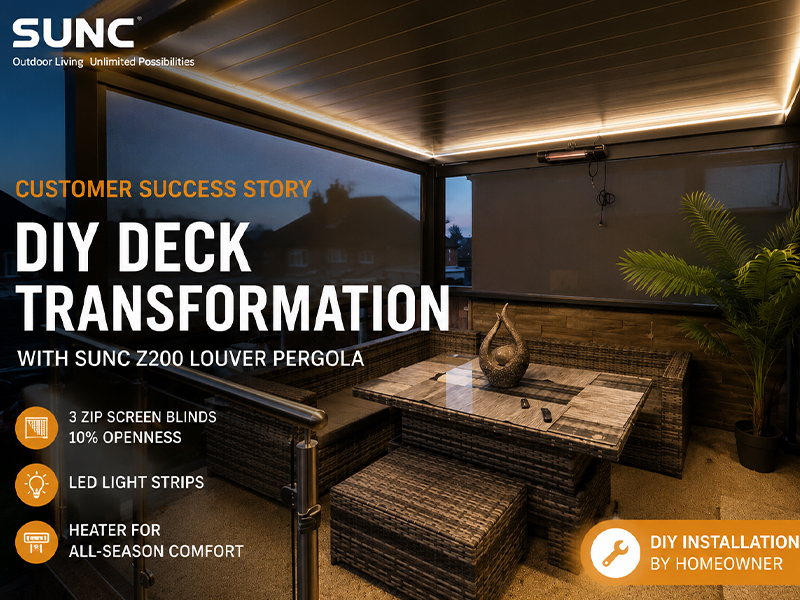
قصة نجاح العميل: تحويل سطح السفينة بنفسك باستخدام عريشة اللوفر SUNC Z200
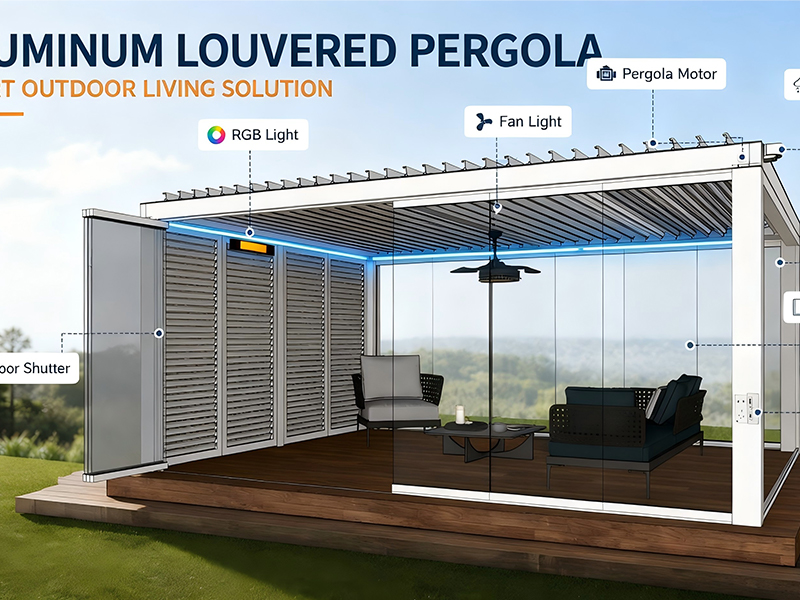
كيف أنشأ أحد مالكي المنازل في الولايات المتحدة مساحة للمعيشة في الهواء الطلق طوال المواسم عندما يتعلق الأمر بزيادة مساحة المعيشة الخارجية إلى أقصى حد، فإن القليل من المشاريع تقدم تحولًا مثيرًا للإعجاب مثل هذا التثبيت الأخير لـ SUNC Z200 العريشة اللوفر. أراد عميلنا في الولايات المتحدة تحويل السطح المرتفع المكشوف إلى ملاذ خارجي مريح يمكن الاستمتاع به طوال العام. والنتيجة هي صالة خارجية أنيقة ومحمية من الطقس وتجمع بين التصميم الحديث والخصوصية والراحة - وكلها تم تركيبها بواسطة صاحب المنزل بنفسه. نظرة عامة على المشروع الموقع: الولايات المتحدة الأمريكية موديل العريشة: عريشة SUNC Z200 لوفر الحجم: 3 م × 4 م (10 × 13 بوصة) التثبيت: التثبيت الذاتي DIY الملحقات: 3 × ستائر بسحاب شرائط إضاءة LED مدمجة سخان خارجي 10% سواتر قماشية مفتوحة متطلبات العملاء أراد صاحب المنزل أن: قم بإنشاء منطقة محمية لتناول الطعام والاسترخاء في الهواء الطلق تقليل التعرض للرياح وأشعة الشمس المباشرة الحفاظ على المناظر الخارجية مع زيادة الخصوصية قم بتمديد الاستخدام الخارجي إلى المواسم الباردة قم بتثبيت النظام بشكل مستقل دون مساعدة مهنية قبل التثبيت يوفر السطح الأصلي مناظر ممتازة ولكنه تعرض لظروف الطقس المتغيرة. وبدون الحماية العلوية أو الحواجز الجانبية، كانت المساحة عرضة لما يلي: ضوء الشمس القوي التعرض للرياح مطر خفيف انخفاض الراحة خلال الأمسيات الباردة استكشف صاحب المنزل العديد من مفاهيم السياج وأنشأ عروضًا تم إنشاؤها بواسطة الذكاء الاصطناعي لتصور التصميم النهائي قبل اتخاذ القرار. الحل: SUNC Z200 Louver Pergola اختار العميل SUNC Z200 Louver Pergola، وهو نظام عريشة خارجي مصنوع من الألومنيوم مصمم للتطبيقات السكنية والتجارية. الميزات الرئيسية فتحات بمحرك قابلة للتعديل إطار من الألومنيوم المطلي بالمسحوق شديد التحمل نظام صرف متكامل البناء المقاوم للطقس المظهر المعماري الحديث متوافق مع خيارات الضميمة المتعددة يوفر Z200 المرونة على مدار العام من خلال السماح للمستخدمين بالتحكم في ضوء الشمس والتهوية والحماية من الطقس من خلال فتحات قابلة للتعديل. معززة بستائر الشاشة المضغوطة أحد المعالم البارزة في هذا المشروع هو إضافة ثلاث ستائر مزودة بمحركات تعمل بسحاب. لماذا 10% نسيج الانفتاح؟ اختار العميل قماشًا متفتحًا بنسبة 10%، والذي يوفر توازنًا ممتازًا بين: الخصوصية دوران الهواء تقليل الوهج الرؤية في الهواء الطلق من داخل العريشة، لا يزال بإمكان المستخدمين الاستمتاع بمناظر المناظر الطبيعية المحيطة مع تقليل اكتساب حرارة الرياح والطاقة الشمسية بشكل كبير. فوائد ستائر الشاشة المضغوطة مقاومة الرياح حماية من الأشعة فوق البنفسجية زيادة الخصوصية تحسين الراحة انخفاض الوهج مظهر متكامل حديث الراحة ليلا ونهارا لإنشاء غرفة خارجية حقيقية لجميع المواسم، تم تجهيز العريشة بما يلي: شرائط ضوء LED تخلق إضاءة LED المدمجة توهجًا معماريًا نظيفًا وتسمح باستخدام المساحة بشكل مريح بعد غروب الشمس. سخان خارجي تؤدي إضافة المدفأة إلى زيادة قابلية الاستخدام إلى الأشهر الأكثر برودة، مما يجعل العريشة منطقة معيشة خارجية عملية طوال معظم أيام العام. تعمل هذه الملحقات معًا على تحويل السطح إلى امتداد وظيفي للمنزل. نجاح التثبيت أحد الجوانب الأكثر إثارة للإعجاب في هذا المشروع هو أن العميل أكمل التثبيت بشكل مستقل. ساعد التصميم المعياري لـ SUNC Z200 Louver Pergola على تبسيط عملية التثبيت، مما يسمح لصاحب المنزل بتجميع الهيكل والملحقات دون الاستعانة بمقاول محترف. تتطابق النتيجة النهائية بشكل وثيق مع عرض المفهوم الأصلي وتوضح كيف يمكن لنظام العريشة المصمم جيدًا أن يعزز بشكل كبير المساحات السكنية الخارجية. ملاحظات العملاء بعد الانتهاء من المشروع، شارك العميل صور التثبيت وأعرب عن رضاه الكبير عن النتيجة النهائية. ما برز أكثر مظهر عصري يكمل المنزل حماية فعالة من الطقس منطقة مريحة لتناول الطعام في الهواء الطلق رؤية ممتازة من خلال شاشات الانفتاح بنسبة 10% سهولة تشغيل السقف والشاشات تجربة تركيب ذاتية الصنع ناجحة يعرض المشروع كيف يمكن للجمع بين العريشة، والستائر السحابية، وإضاءة LED، والتدفئة أن يخلق بيئة معيشية خارجية متميزة مناسبة لجميع المواسم. لماذا يختار أصحاب المنازل SUNC Pergola باعتبارها مصنعًا محترفًا للعريشة وشركة عريشة ذات خبرة، توفر SUNC حلول تظليل خارجية مخصصة للمشاريع السكنية والتجارية في جميع أنحاء العالم. سواء كنت بحاجة إلى: Louver Pergola العريشة في الهواء الطلق العريشة الآلية العريشة للماء نظام ستائر الشاشة المضغوطة عريشة ألمنيوم مخصصة هل أنت موزع أو مقاول وتبحث عن مورد موثوق؟ نحن متخصصون في دعم المشترين الدوليين في مجال B2B من خلال: مستويات تسعير الجملة مباشرة من المصنع. مخططات هندسية مجانية CAD ونماذج مرئية ثلاثية الأبعاد. تخصيص كامل لتصنيع المعدات الأصلية/تصنيع التصميم الشخصي (الأحجام المخصصة وألوان RAL والملحقات). خدمات لوجستية عالمية موثوقة وخالية من الأضرار. اتصل بفريقنا الهندسي اليوم لتزويدك بمخططات مشروعك أو أبعاده للحصول على استشارة مجانية وعرض أسعار تنافسي FOB/CIF! يرجى إضافة تطبيق Jessie whatsapp 86 15317096971 أو إرسال بريد إلكتروني إلى sales03@shangchaosunc.cn -
 2026.06.11
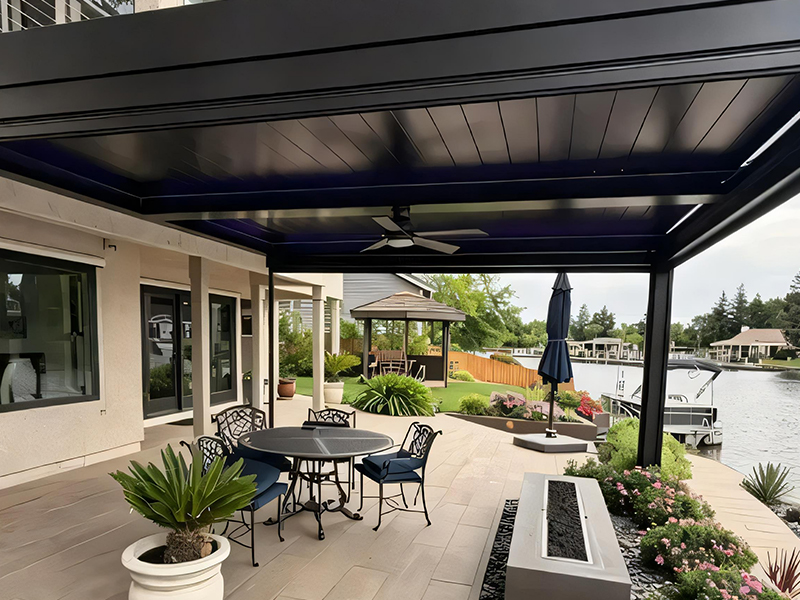
دراسة الحالة: كيف قام أحد الموزعين الأمريكيين باختبار واعتماد عريشة الألمنيوم Z200 الخاصة بنا للطلبات بالجملة
من المفهوم إلى الواقع: تحويل رؤية العميل مع Z200 العريشة ذات اللوفر عندما اتصل بنا أحد الموزعين البارزين للمعيشة الخارجية ومقره في الولايات المتحدة الأمريكية، لم يكونوا يبحثون فقط عن مورد متميز - بل كانوا يبحثون عن شريك تصنيع استراتيجي طويل الأمد. ولتقييم جودة الإنتاج لدينا، والهندسة الإنشائية، وموثوقية التسليم، قرروا طلب منتج واحد مخصص بالكامل Z200 العريشة الآلية ليتم تجميعها واختبارها من قبل فريق التثبيت الداخلي المحترف الخاص بهم. فيما يلي نظرة من وراء الكواليس على كيفية تعاون فريقنا الهندسي معهم لتقديم مشروع لا تشوبه شائبة، مما يمهد الطريق للطلبات المجمعة في المستقبل. المرحلة الأولى: تقييم الموقع والدقة الهندسية (تخطيط CAD) بدأ المشروع ببعض صور الموقع التي قدمها العميل. ومن خلال فهم المعايير المعمارية المحلية في الولايات المتحدة، بدأ فريقنا الهندسي العمل على الفور. استنادًا إلى القياسات والصور الأولية للموقع، قمنا بإنشاء رسومات هيكلية شاملة بمساعدة الكمبيوتر (CAD) وعروض ثلاثية الأبعاد عالية الوضوح. تم التخطيط لكل التفاصيل بدقة: الأبعاد المخصصة: هيكل ضخم قائم بذاته بقياس 16 × 16 قدمًا مع ارتفاع مريح يبلغ 9 أقدام (4.876*4.876*2.743 م) مطابقة الألوان حسب الطلب: مطلية بطبقة نهائية RAL 8040 من الدرجة المعمارية لتتكامل بسلاسة مع لوحة الخصائص الحالية للعميل. سمحت مخططاتنا الدقيقة لفريق الموزع بالتحقق مسبقًا من جميع نقاط التخليص والتركيب قبل أن يغادر المنتج مصنعنا. المرحلة الثانية: النقل الآمن والتعبئة المتميزة بالنسبة لعملاء B2B الدوليين، يمثل تلف الشحن دائمًا مصدر قلق كبير. لقد قمنا بتعبئة النظام بأكمله باستخدام معايير التصدير الصالحة للإبحار الخاصة بنا - وهي علب كرتونية شديدة التحمل على شكل قرص العسل معززة برغوة EPE الواقية ومحاطة بصناديق خشبية متينة. أبلغ العميل أن الطرد وصل في حالة ممتازة دون أي ضرر على الإطلاق، مما يثبت أن سلسلة الخدمات اللوجستية لدينا مُحسَّنة بالكامل لشحن الحاويات السائبة. المرحلة 3: اختبار التجميع والجودة (ملاحظات الموزع) قام الموزع بنشر فريق التثبيت المحلي الخاص به لوضع Z200 على المحك النهائي. بفضل التصميم المعياري للتوصيل والتشغيل ودليل الفيديو الشامل خطوة بخطوة، تمت عملية التجميع بسلاسة استثنائية. وإليكم ما ركز عليه فريقهم أثناء الفحص الشامل: ثبات الصخور الصلبة: لاحظ القائمون على التركيب صراحةً أن أعمدة الألمنيوم المبثوق شديدة التحمل صلبة بشكل لا يصدق، مما يوفر مقاومة قوية للرياح والثلوج. أتمتة ذكية سلسة: شفرات التهوية الآلية، التي تعمل على نطاق قابل للتعديل من 0 إلى 110 درجة، تفتح وتغلق بسلاسة بلمسة زر واحدة. نظام الأجواء: تعمل مصابيح RGB LED المدمجة القابلة للتعتيم بشكل مثالي بمجرد إخراجها من الصندوق، مما يوفر مظهرًا فاخرًا للعيش في الهواء الطلق ليلاً. شاشات مناسبة لجميع الأحوال الجوية: يتم تجهيز الهيكل حاليًا بثلاث شاشات SCFJ-0106-5p متميزة شاشات مضغوطة مقاومة للرياح لاستكمال العلبة 4 الموسم. الخاتمة: الشراكة من أجل المستقبل كان هذا المشروع الأولي بمثابة معيار الجودة المثالي. من خلال التعامل مع عملية التثبيت بشكل مباشر، أكد شريكنا الأمريكي أن العريشة Z200 يلبي المتانة الصارمة والمعايير الجمالية التي يتطلبها السوق الأمريكي. ومع اجتياز مرحلة الاختبار رسميًا والموافقة على الجودة، نحن متحمسون للمضي قدمًا في طلب الجملة بالجملة، وتزويد هذا الموزع بكميات تحميل الحاويات لتلبية الطلب الإقليمي المتزايد. هل أنت موزع أو مقاول وتبحث عن مورد موثوق؟ نحن متخصصون في دعم المشترين الدوليين في مجال B2B من خلال: مستويات تسعير الجملة مباشرة من المصنع. مخططات هندسية مجانية CAD ونماذج مرئية ثلاثية الأبعاد. تخصيص كامل لتصنيع المعدات الأصلية/تصنيع التصميم الشخصي (الأحجام المخصصة وألوان RAL والملحقات). خدمات لوجستية عالمية موثوقة وخالية من الأضرار. اتصل بفريقنا الهندسي اليوم لإعلامك بمخططات مشروعك أو أبعاده للحصول على استشارة مجانية وسعر تنافسي FOB/CIF! -
 2026.06.02
ZM240 العريشة المغطاة بالألومنيوم محكمة الغلق بالكامل: الحل الذكي الكامل للمعيشة في الهواء الطلق
لماذا أصبحت العريشة المختومة ZM240 الخيار المفضل لمساحات المعيشة الخارجية مع استمرار نمو الطلب على حلول المعيشة الخارجية المتميزة في جميع أنحاء العالم، يبحث المهندسون المعماريون والمقاولون والموزعون ومطورو المشاريع عن منتجات تجمع بين الجمال والمتانة ومقاومة الطقس والوظائف الذكية. تم تصميم العريشة ذات التهوية المصنوعة من الألومنيوم ZM240 لتلبية هذه المتطلبات من خلال هيكلها المحكم الغلق بالكامل ونظام السقف المزود بمحركات ومجموعة واسعة من الملحقات المتكاملة التي تحول المناطق الخارجية إلى مساحات معيشة مريحة طوال الموسم. سواء كان الأمر يتعلق بالساحات الخلفية السكنية أو الفيلات الفاخرة أو المطاعم أو الفنادق أو المنتجعات أو المشاريع التجارية الخارجية، فإن ZM240 يقدم حلاً كاملاً يعزز كلاً من الوظيفة وقيمة الممتلكات. ما الذي يجعل ZM240 مختلفًا؟ تصميم مختوم بالكامل لتوفير أقصى قدر من الحماية على عكس البرجولات التقليدية، يتميز ZM240 بنظام إغلاق مغلق بالكامل، بما في ذلك: ختم الحشية المطاطية السفلية وبناء إطار مغلق بالكامل تصميم متداخل كوة مقاومة للماء نظام صرف متكامل الفوائد الرئيسية أداء ممتاز ضد الماء تحسين مقاومة الرياح تقليل تسرب الغبار عزل حراري أفضل تعزيز الراحة في الهواء الطلق طوال العام هيكل من الألومنيوم شديد التحمل يتم تصنيع ZM240 من سبائك الألومنيوم عالية الجودة، وتقدم: مقاومة التآكل متطلبات صيانة منخفضة عمر خدمة طويل المظهر المعماري الحديث يوفر الطلاء المطلي بالمسحوق حماية إضافية ضد التعرض للأشعة فوق البنفسجية والرطوبة والظروف الجوية القاسية. نظام سقف كوة ذكي بمحرك يسمح السقف المزود بمحركات للمستخدمين بضبط ضوء الشمس والتهوية والظل بسهولة وفقًا لظروف الطقس المتغيرة. زاوية شفرة قابلة للتعديل مفتوح لتدفق الهواء الطبيعي مفتوح جزئيًا لأشعة الشمس المفلترة مغلق بالكامل للحماية من المطر يمكن التحكم في النظام الآلي عن طريق: التحكم عن بعد نظام التحكم الذكي تطبيق الجوال (اختياري) تكامل مستشعر الرياح والمطر تعمل هذه العملية الذكية على تحسين راحة المستخدم بشكل كبير مع حماية الأثاث والمعدات الخارجية. ملحقات اختيارية لتجربة معيشة كاملة في الهواء الطلق واحدة من أكبر مزايا ZM240 هي توافقه مع العديد من الملحقات المدمجة. 1. الإضاءة المحيطة RGB خلق جو جذاب للتطبيقات السكنية والتجارية. الميزات: خيارات ألوان متعددة التحكم عن بعد operation مشاهد الإضاءة المخصصة مثالية للمطاعم والمنتجعات والمناطق الترفيهية 2. الإضاءة الخطية LED توفر إضاءة LED المدمجة ما يلي: إضاءة أنيقة كفاءة الطاقة سهولة الاستخدام ليلا جماليات العمارة الحديثة مثالية لتمديد الاستخدام الخارجي بعد غروب الشمس. 3. نظام إضاءة المروحة يجمع ضوء المروحة المدمج بين: دوران الهواء وظيفة الإضاءة تعزيز الراحة أثناء الطقس الحار خيار شعبي لتناول الطعام في الهواء الطلق ومساحات الصالة. 4. سخان خارجي توسيع نطاق استخدام المناطق الخارجية خلال المواسم الباردة. تشمل الفوائد ما يلي: عملية مريحة في الشتاء الاستمتاع بالهواء الطلق على مدار العام زيادة سعة المقاعد التجارية للمطاعم والمقاهي 5. ستائر الشاشة المضغوطة تقدم الستائر ذات السحاب المزودة بمحركات ما يلي: حماية الرياح التظليل الشمسي مكافحة الحشرات تعزيز الخصوصية يحافظ النظام الموجه بالسحاب على القماش مثبتًا بشكل آمن في المسارات الجانبية، حتى في ظل الظروف العاصفة. مثالية لإنشاء غرف خارجية شبه مغلقة. 6. شترات الألمنيوم الكهربائية توفر مصاريع الألمنيوم الآلية ما يلي: حماية إضافية من الطقس تعزيز الخصوصية المظهر المعماري الحديث تحسين الأمن مناسبة للمشاريع السكنية والتجارية الفاخرة. 7. الأبواب الزجاجية المنزلقة تساعد أنظمة الانزلاق الزجاجية على إنشاء حاوية شفافة مع الحفاظ على المناظر الخارجية. المزايا: حماية الرياح الأداء الحراري الحد من الضوضاء مظهر أنيق مثالية لمساحات المعيشة الخارجية لمدة أربعة مواسم. 8. النوافذ المقصلة تحظى النوافذ المقصلة الآلية بشعبية متزايدة في: مطاعم المقاهي الفنادق صالات خارجية فاخرة تشمل الفوائد ما يلي: خيارات فتح مرنة التصميم الحديث تحسين التهوية تجربة عملاء متميزة يمكن دمج النظام بسلاسة مع هيكل العريشة. خيارات الأتمتة الذكية بالنسبة لمشاريع المعيشة الذكية في الهواء الطلق، يمكن تجهيز ZM240 بما يلي: مستشعر الرياح والمطر يغلق فتحات التهوية تلقائيًا عند اكتشاف هطول أمطار أو رياح قوية. الفوائد: حماية الأثاث انخفاض الصيانة زيادة راحة المستخدم تحسين سلامة النظام التطبيقات المثالية العريشة المصنوعة من الألومنيوم ZM240 مناسبة لما يلي: المشاريع السكنية فلل حدائق شرفات على السطح مناطق بجانب حمام السباحة المشاريع التجارية مطاعم المقاهي الفنادق المنتجعات مراكز التسوق صناعة الضيافة مناطق لتناول الطعام في الهواء الطلق مساحات الفعاليات مناطق ترفيهية متميزة لماذا تختار ZM240 لعملك؟ بالنسبة للموزعين والتجار والمقاولين ومطوري المشاريع، يقدم ZM240 العديد من المزايا: تحديد موضع المنتج المتميز مرونة عالية في التخصيص فرص بيع ملحقات متعددة مقاومة قوية للطقس التصميم المعماري الحديث التوافق مع الأتمتة الذكية مناسبة للمشاريع السكنية والتجارية من خلال الجمع بين الهيكل المغلق بالكامل والملحقات الذكية، يخلق ZM240 حلاً كاملاً للمعيشة الخارجية يلبي الطلب المتزايد على المساحات الخارجية الفاخرة في جميع أنحاء العالم. الاستنتاج تعتبر العريشة ذات التهوية المصنوعة من الألومنيوم ZM240 أكثر من مجرد عريشة - فهي نظام معيشة خارجي متعدد الاستخدامات مصمم لأنماط الحياة الحديثة والتطبيقات التجارية. بفضل اللوفرات الآلية، والختم المتقدم المقاوم للماء، والملحقات الاختيارية بما في ذلك إضاءة RGB، ومصابيح LED، وأضواء المروحة، والسخانات، وستائر الشاشة المضغوطة، والمصاريع الكهربائية، والأبواب الزجاجية المنزلقة، والنوافذ المقصلة، يوفر ZM240 راحة ووظيفة وقيمة استثنائية. بالنسبة للشركات التي تتطلع إلى توسيع مجموعة منتجات المعيشة الخارجية الخاصة بها، يمثل ZM240 حلاً جاهزًا للمستقبل قادرًا على تلبية الاحتياجات المتطورة للعملاء العالميين. -
 2026.05.28
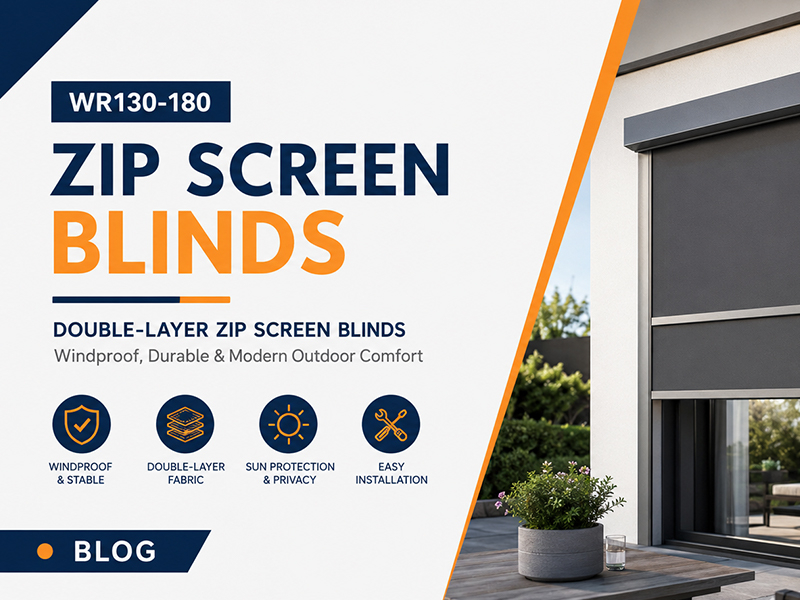
هندسة العلبة الخارجية المثالية: دليل B2B لستائر الشاشة المضغوطة ذات الطبقة المزدوجة SUNC WR130-180
بالنسبة للمقاولين التجاريين الخارجيين ومهندسي المناظر الطبيعية وموزعي التظليل المتميزين، فإن توفير الراحة على مدار العام مع الحفاظ على السلامة الهيكلية المطلقة يمثل تحديًا هندسيًا مستمرًا. باعتبارها الشركة المصنعة الرائدة في المصنع مباشرة والمتخصصة في التظليل الخارجي للخدمة الشاقة، تقدم SUNC الحل المعماري النهائي: الستارة الدوارة ذات الطبقة المزدوجة WR130-180 (ستائر Zip Screen). في هذا التحليل الفني الشامل، نقوم بتحليل الهندسة المتقدمة وراء مخطط WR130-180، ونحدد مزاياه الرئيسية، ونحدد تطبيقاته التجارية، ونوضح سبب تمثيله لتكوين الذروة المطلق عند إقرانه بتركيبات العريشة الحديثة ذات فتحات التهوية المصنوعة من الألومنيوم. 1. فصل المخطط: التشريح المتقدم لـ WR130-180 استنادًا إلى أحدث عرض تفصيلي لمصنعنا من المخطط التخطيطي للمنتج. إن WR130-180 ليس ستارة ستائرية قياسية بمحرك. إنها آلية معمارية متكاملة للغاية ومزدوجة الطبقة مصممة لتحمل ضغوط رياح القص الشديدة مع تقديم تكوينات قماشية متعددة الاستخدامات. • تكامل النسيج ثنائي الطبقة: تم تصميمه بتكوين فريد يستوعب لوحتين مستقلتين - القماش 1 والنسيج 2 - ضمن ملف معماري موحد واحد، مما يسمح بوظيفة مزدوجة (على سبيل المثال، الجمع بين فحص الحشرات عالي الكثافة مع التعتيم الكامل أو الدروع الواقية من الطقس المصنوعة من مادة PVC الشفافة تمامًا). • أبعاد الملف الهيكلي: تم تصنيعها باستخدام الألومنيوم المبثوق عالي الجودة (6063-T5/T6). يبلغ حجم علبة الغطاء العلوي 130 مم × 180 مم لتغليف أنظمة القيادة الآلية بسلاسة. تتميز القضبان التوجيهية الجانبية مزدوجة الطبقة بعرض جانبي أنيق يبلغ 35 ملم وعمق 60 ملم، مما يحافظ على واجهة معمارية بسيطة مع مثبتات داخلية مخفية تمامًا. • Precision Mechanical Core: Driven by a high-torque arnothing 63 ext{mm} internal roller tube combined with specialized windproof zip strips, a heavy-duty extruded bottom rail (25.4 mm×56 mm), and an integrated weighted bar ensuring continuous tautness and flawless fabric tracking. ميزة مصنع SUNC (مباشرة إلى B2B): كشركة مصنعة ذاتية الإنتاج والتسويق الذاتي. تتحكم SUNC بشكل كامل في سلسلة التصنيع. وهذا يضمن التفاوتات الصارمة، والاختبارات الصارمة لمكونات محرك الأقراص، وخيارات طلاء المسحوق المخصصة (مطابقة اللوحات المعمارية الكلاسيكية مثل نسيج رملي غير لامع RAL 7016 Anthracite Gray أو RAL 9016 Traffic White)، وكفاءات كبيرة في التكلفة يتم نقلها مباشرة إلى شركائنا في مجال B2B. 2. مزايا المنتج الرئيسية لستائر SUNC Zip Screen عند تقديم نظام SUNC WR130-180 لعملاء B2B أو أصحاب المصلحة في المشروع أو المشترين التجاريين، قم بتسليط الضوء على هذه المزايا الهندسية الأساسية: • ثبات نهائي ضد الرياح: على عكس المظلات المعلقة السائبة، تستخدم ستائرنا السحابية شكلًا مستمرًا للاحتفاظ بالسحاب ملحومًا بإحكام بحواف القماش. يؤدي هذا إلى تثبيت القماش بشكل آمن في القضبان الجانبية ذات الطبقة المزدوجة شديدة التحمل مقاس 35 مم × 60 مم، مما يمتص أحمال الرياح الجانبية بشكل فعال ويمنع القماش من الانفجار خارج المسار. • جماليات معمارية سلسة: في SUNC، نعطي الأولوية للبساطة الراقية. يتميز WR130-180 بأغطية طرفية يسرى ويمين مخفية بالكامل، وأغطية علوية محززة بدقة، وأغطية جانبية داخلية تحجب تمامًا براغي التجميع المرئية، وأقواس التثبيت، ومكونات الأسلاك. • تكوينات مرنة للتحكم المزدوج: متوفرة مع أنظمة قيادة آلية عالية الأداء (تتميز بـ 38 أو 45 محركًا أنبوبيًا يتراوح عزم دورانها من 10 نانومتر إلى 30 نانومتر) أو علب تروس يدوية دقيقة مدعومة بنابض T100، مما يضمن القدرة على التكيف مع الميزانيات التجارية المتنوعة وقيود الأسلاك. 3. الاقتران المعماري الأمثل: البرجولات المصنوعة من الألومنيوم والستائر ذات السحاب في مجال الضيافة الخارجية الراقية، وأماكن المطاعم، والتصميم السكني المتميز، فإن الجمع بين العريشة المغطاة بالألمنيوم وستائر SUNC ذات السحاب يخلق سياجًا نهائيًا يمكن التحكم فيه بالمناخ الدقيق. لماذا هذا هو مزيج أفضل الممارسات في الصناعة: توفر العريشة المصنوعة من الألومنيوم تظليلًا هيكليًا من خلال فتحات تهوية علوية، ولكنها تظل عرضة للرياح الأفقية والأمطار الغزيرة والوهج الشمسي منخفض الزاوية. يؤدي دمج WR130-180 مباشرة على عوارض المحيط الأولية إلى إنشاء ختم محكم عند نشره بالكامل. ومن خلال توجيه القضبان الجانبية ذات الطبقة المزدوجة باتجاه الوجه الداخلي لأعمدة الدعم شديدة التحمل للعريشة، يعمل النظام بأكمله كامتداد هيكلي للمبنى. يقع الغطاء العلوي مقاس 130 مم × 180 مم بشكل مثالي أسفل أو داخل شكل مزراب العريشة، مما يضمن تدفقًا بصريًا نظيفًا خاليًا من الأقواس الخارجية القبيحة. 4. استهداف سيناريوهات التطبيقات التجارية • الضيافة والمطاعم الراقية: مثالية لإحاطة شرفات تناول الطعام في الهواء الطلق والبارات. يتيح النسيج ذو الطبقة المزدوجة للمشغلين نشر الشبكة خلال الأيام الحارة لحماية الحشرات والتهوية، والتحول إلى الألواح السميكة المقاومة للرياح أو الألواح البلاستيكية الشفافة عند اقتراب الطقس القاسي - مما يؤدي إلى زيادة الإيرادات لكل متر مربع بغض النظر عن المناخ. • واجهات المحلات التجارية وساحات الشركات: توفر تحكمًا ديناميكيًا في اكتساب الحرارة الشمسية وتقليل الوهج للواجهات الزجاجية، مما يقلل بشكل كبير متطلبات التبريد التجارية لأنظمة التدفئة والتهوية وتكييف الهواء (HVAC). • مشاريع سكنية متميزة: تتكامل بشكل جميل مع أجنحة الفناء الخلفي، أو المطابخ الخارجية، أو الصالات بجانب حمام السباحة، مما يوفر خصوصية فورية وعزلًا للطقس متعدد المواسم. 5. المواصفات الفنية وبيانات التوصيات الهندسية لمساعدة فرق الهندسة والمشتريات والتقديرات لديك، يتم التحقق من حدود الأداء الهيكلي التالية مباشرة من المصفوفة الهندسية للمصنع لدينا: ملاحظة حول تفاوتات الأبعاد: للحصول على أقصى أداء للنظام وسلامة التتبع، يبلغ الحد الأقصى المسموح به لملف تعريف المحرك الجانبي 0.76 مترًا للمحرك 35 و0.8 مترًا لتكوينات المحرك 45 على التوالي، مما يضمن ترجمة عزم الدوران الأفقي بسلاسة وغير ملزمة. -
 2026.05.19
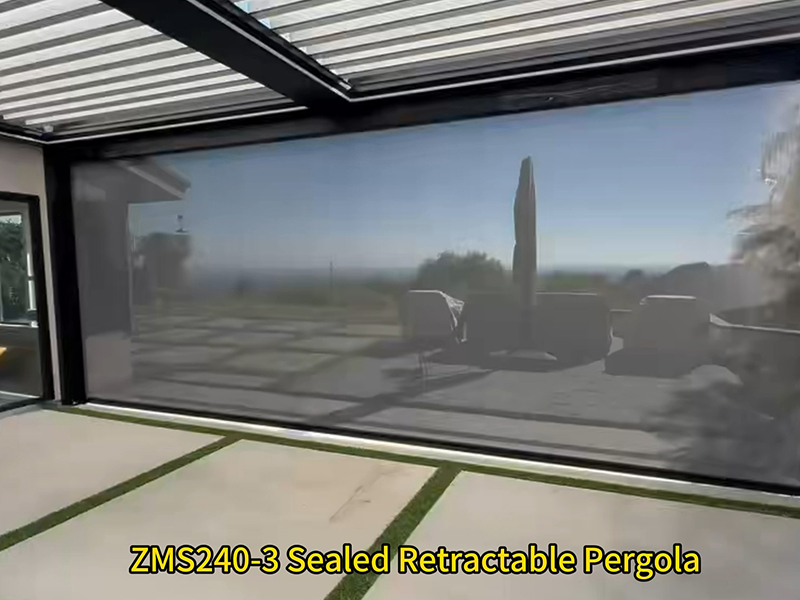
تحويل الحياة في الهواء الطلق: اختيار مهندس المناظر الطبيعية للعريشة النهائية لصالة العرض
في قطاع المعيشة الفاخرة في الهواء الطلق، يعد مصممو المناظر الطبيعية والمهندسون المعماريون المحترفون هم حراس الذوق والجودة والوظيفة. عندما قرر أحد مهندسي المناظر الطبيعية البارزين في الولايات المتحدة تجديد ممتلكاته الخاصة، كان المشروع مدفوعًا بهدف مزدوج. لم يكن الأمر يتعلق فقط بإنشاء ملاذ شخصي؛ كان الأمر يتعلق بإنشاء صالة عرض مفعمة بالحيوية - وهو دليل مفاهيمي متطور لتقديمه إلى عملاء B2B المميزين الذين يبحثون عن القمة المطلقة للهندسة الخارجية والجاذبية الجمالية. ويجسد هذا التثبيت التميز في تكامل المناظر الصلبة المعاصرة، ويعرض كيف يعمل النظام المناخي الحيوي الآلي المتطور على تعزيز المناظر الطبيعية السكنية الفاخرة. وجهة نظر المحترفين: لماذا يطلب مصممو المناظر الطبيعية المزيد بالنسبة لمهندسي المناظر الطبيعية، فإن كل منتج مدمج في التصميم يعكس بشكل مباشر سمعتهم المهنية. لم تعد شرفات المراقبة القياسية الجاهزة أو الهياكل الأساسية ذات الفتحات الثابتة ترضي العملاء المعاصرين. يطالب أصحاب المنازل الفاخرة اليوم بمساحات ديناميكية تتكيف بشكل عضوي مع الظروف الجوية المتغيرة دون المساس بالتناغم المعماري. لاحظ عميلنا الأمريكي أنه تم اختيار ZMS240-3 على وجه التحديد لأنه يسد الفجوة بين القوة الهندسية الخام وجماليات التصميم المكررة. من خلال اختيار لوحة ألوان متطورة - تتميز بشفرات اللوفر البيضاء النقية التي تتباين مع إطار هيكلي أنيق من الألومنيوم الرمادي - توفر العريشة رؤية معاصرة مذهلة. إنها بمثابة نقطة محورية لا تشوبها شائبة تكمل أسطح حمامات السباحة الهندسية، والمزارع المحيطة المورقة، والواجهات الخارجية الحديثة، وتلتزم تمامًا بالمبادئ الأساسية لجماليات المناظر الطبيعية الراقية. نظرة عامة على مواصفات المشروع المعلمة المواصفات نموذج ZMS240-3 عريشة ألومنيوم محكمة الغلق وقابلة للسحب الأبعاد 12 × 20 قدمًا (بصمة مميزة) طريق الألوان شفرات بيضاء كلاسيكية بإطار رمادي معماري الأتمتة نظام ثلاثي المحركات (السحب، التوجيه، الختم بالضغط) الإضاءة نظام الإضاءة الجوية المتكامل RGB الملحقات ستائر شبكية مزودة بمحركات بسحاب (الطراز: SCFJ-S50) تكوين النسيج 70% بولي كلوريد الفينيل / 30% ألياف بوليستر (50% عامل الانفتاح) تفاصيل العريشة المصنوعة من الألومنيوم المختومة والقابلة للسحب ZMS240-3 1. الختم مزراب مغلق بالكامل عند إغلاق الشفرات المساحة الداخلية محكمة الغلق بشكل أفضل، ومضادة تمامًا للبعوض يمكن تركيب تكييف الهواء في الداخل 2. نظام مصراع تلسكوبي يمكن أن تدور المظلة بمقدار 45-135 درجة، مما يسمح لك بضبط الإضاءة على الشرفة الأرضية عملي للمطاعم ومصانع النبيذ يطيل موسم الهواء الطلق 3. نظام المحرك إمدادات الطاقة العاصمة أكثر من 10000 اختبار الحياة ارتفاع الناتج التوجه يتوقف عندما يكون في ازدحام المرور تعتمد رقائق العلامة التجارية الدولية من الخط الأول، مستقرة وموثوقة تصميم مقاوم للماء، مناسب للاستخدام في الهواء الطلق غلاف معدني، تبديد جيد للحرارة، مناسب لتغيرات درجة الحرارة التميز الهندسي: ميزة المحرك الثلاثي نقطة البيع الأساسية التي أقنعت هذا المحترف في مجال B2B بالاستثمار في ZMS240-3 هي نظام الدفع الثلاثي الذي لا مثيل له. على عكس الأنظمة القياسية ذات المحرك الواحد أو الأنظمة اليدوية التي توفر تعديلًا محدودًا، يوفر ZMS240-3 ثلاثة تحولات هيكلية متميزة للتغلب على أي سيناريو للطقس: • دوران فتحات التهوية (التهوية المناخية الحيوية): من خلال التحكم الآلي الدقيق، يمكن إمالة فتحات التهوية المصنوعة من الألومنيوم الأبيض إلى الزاوية الدقيقة المطلوبة للتحكم في ضوء الشمس العلوي، أو إلقاء ظلال منعشة، أو توجيه النسيم الطبيعي إلى الأسفل. • التراجع الكامل (حرية السماء المفتوحة): بلمسة زر واحدة، يتراجع نظام فتحات التهوية بالكامل بسلاسة، مما يفتح 85% من مساحة السطح ليكشف عن سماء زرقاء صافية أو ليالي مضاءة بالنجوم - وهي ميزة لا يمكن للأسقف ذات فتحات التهوية القياسية تكرارها. • إغلاق متطور للضغط (مقاوم للعوامل الجوية بنسبة 100%): عند إغلاقه، يقوم المحرك الثالث المتخصص بتشغيل آلية إغلاق شديدة التحمل تعمل على ضغط الشفرات معًا، مما يخلق حاجزًا لا يمكن اختراقه ضد الأمطار الغزيرة والرياح والحطام. يعد ZMS240-3 أداة رائعة لأعمال التصميم الخاصة بي. إن تثبيته في منزلي يسمح للعملاء بلمس المواد، ومشاهدة التشغيل السلس لنظام المحرك الثلاثي، وتجربة تجربة الأسقف المتميزة الحقيقية بشكل مباشر. لقد أدى ذلك إلى ضغط دورة مبيعاتي بشكل كبير بالنسبة للمشاريع الخارجية المتطورة. " — مهندس المناظر الطبيعية الرئيسي، استوديو تصميم المناظر الطبيعية والمناظر الطبيعية بالولايات المتحدة التحكم في المناخ المحلي مع ستائر سحابية متقدمة لتحقيق مساحة معيشة مناسبة لجميع الأحوال الجوية وملائمة لأربعة فصول، قام العميل بتجهيز المحيط بستائرنا المزودة بمحركات والمقاومة للرياح ذات السحاب. كان اختيار قماش SCFJ-S50 متعمدًا للغاية، مما أظهر فهم المصمم العميق لفيزياء التظليل الشمسي. تم تصميم هذا القماش بمزيج دقيق من 70% بولي كلوريد الفينيل و30% ألياف بوليستر عالية الشد، ويوفر ثباتًا لا مثيل له في الأبعاد، ومقاومة للأشعة فوق البنفسجية، وقوة للتمزق. بفضل عامل الانفتاح بنسبة 50%، تحقق الشاشات التوازن المثالي للحياة في الهواء الطلق. إنها تكسر الرياح القاسية المحيطة بشكل فعال، وتحجب وهج الشمس المسببة للعمى، وتحمي الضيوف من الآفات، مع الحفاظ على جو مفتوح وجيد التهوية يحافظ على مناظر بانورامية للحدائق المشذبة المحيطة. وهذا يضمن أن يظل الجزء الداخلي من العريشة مريحًا من الناحية المناخية، حتى عندما تنشط الرياح الساحلية أو رياح الوادي. ضبط الحالة المزاجية: تصميم RGB المحيطي المتكامل في هندسة المناظر الطبيعية الحديثة، تعتبر الإضاءة الليلية بنفس أهمية وظائف النهار. يدمج ZMS240-3 تصميم إضاءة RGB سلس ومنخفض المستوى داخل الإطار الهيكلي. بالنسبة لصالة العرض السكنية لعملائنا، تعد هذه الميزة بمثابة أداة رائعة للعرض. فهو يتيح لهم أن يوضحوا للمشترين المحتملين كيف يمكن للمساحة الخارجية أن تتحول بسهولة من محطة عمل نهارية مشرقة وعملية أو صالة عائلية إلى مركز ترفيه مسائي مثير ومخصص بالألوان. سواء تم عرض درجات اللون الكهرماني الدافئة للتجمعات الحميمة أو ألوان الشركات النابضة بالحياة لأحداث التواصل الاحترافية، فإن نظام RGB يعزز العمق المعماري والدراما المرئية بعد حلول الظلام. شراكة B2B مصممة لتحقيق النمو تؤكد هذه التعليقات الواردة من مهندس المناظر الطبيعية الأمريكي الرائد على الاتجاه العالمي المتنامي: يبحث المقاولون والمصممون المتميزون بنشاط عن مصنعين موثوقين ومبتكرين يفهمون السلامة الهيكلية وجماليات التصميم. من خلال استخدام منزلهم الخاص كتركيب للعرض، قام عميلنا بتحويل ZMS240-3 إلى أداة المبيعات الأكثر فعالية لديهم، مما يثبت أنه عندما تجتمع الهندسة مع التصميم الرائع، تصبح المساحات الخارجية لا حدود لها. هل أنت مهندس مناظر طبيعية، أو مقاول عام متميز، أو بائع تجزئة للمعيشة في الهواء الطلق وتتطلع إلى رفع مستوى مجموعة منتجاتك وتقديم هياكل خارجية من الجيل التالي لعملائك؟ اتصل بفريق مبيعات B2B لدينا اليوم لطلب الرسومات الهندسية الإنشائية، وعينات الألوان المخصصة، وأسعار البرنامج التجاري الحصري لسلسلة ZMS240-3. -
 2026.05.14
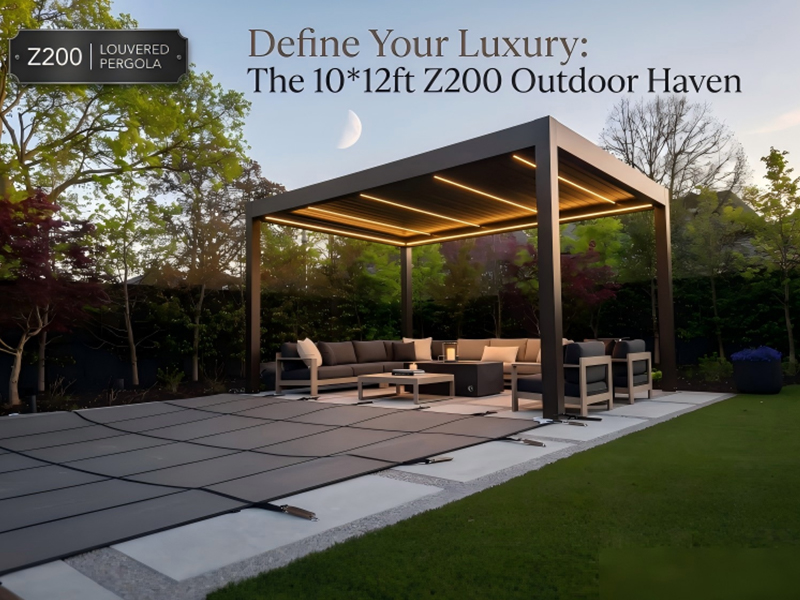
تحويل المساحات الخارجية: تجربة جناح العريشة الألومنيوم Z200 مقاس 10×12 قدم
أصبح إنشاء ملاذ خارجي مريح وأنيق وعملي أسهل من أي وقت مضى مع عريشة ألمنيوم Z200 . قام أحد عملائنا الجدد بتحويل الفناء الخلفي لمنزلهم إلى ملاذ هادئ باستخدام طراز Z200 مقاس 10 × 12 قدمًا باللون البني الأنيق. لتعزيز الراحة وسهولة الاستخدام، قمنا بتوفير ستائر بسحاب مقاومة للرياح ومجهزة خصيصًا بمعدل ثقب يبلغ 5%. تعمل الستائر ذات السحاب للأماكن الخارجية على منع الرياح القوية بشكل فعال، وتوفير الظل، وصد الحشرات، والحفاظ على الخصوصية - كل ذلك مع السماح بدخول الكمية المناسبة من الضوء للحصول على شعور مشرق وجيد التهوية. الإضاءة جزء أساسي من أي واحة خارجية. ال Z200 برجولة من الألومنيوم يتميز بشريط إضاءة LED على شكل كوة على السطح تكمله الأضواء المحيطة من جميع الجوانب، مما يخلق توهجًا دافئًا وجذابًا للتجمعات المسائية. سواء كان ذلك عشاءً عائليًا، أو أمسية هادئة مع كتاب، أو الترفيه عن الأصدقاء، فإن هذه العريشة توفر الأجواء المثالية. أبلغ عملاؤنا عن تثبيت سلس وترقية ملحوظة لأسلوب حياتهم في الهواء الطلق. إن الجمع بين هيكل الألومنيوم المتين والتصميم المدروس والملحقات العملية يجعل من هذا الجهاز Z200 العريشة الألومنيوم اللوفر خيار متميز لأي شخص يتطلع إلى رفع مستوى تجربته في الفناء الخلفي. استمتع بالراحة والأناقة والحماية في برجولا واحد. ال Z200 كوة العريشة ليس مجرد هيكل - إنه دعوة للاستمتاع بمساحتك الخارجية بشكل لم يسبق له مثيل . -
 2026.05.08
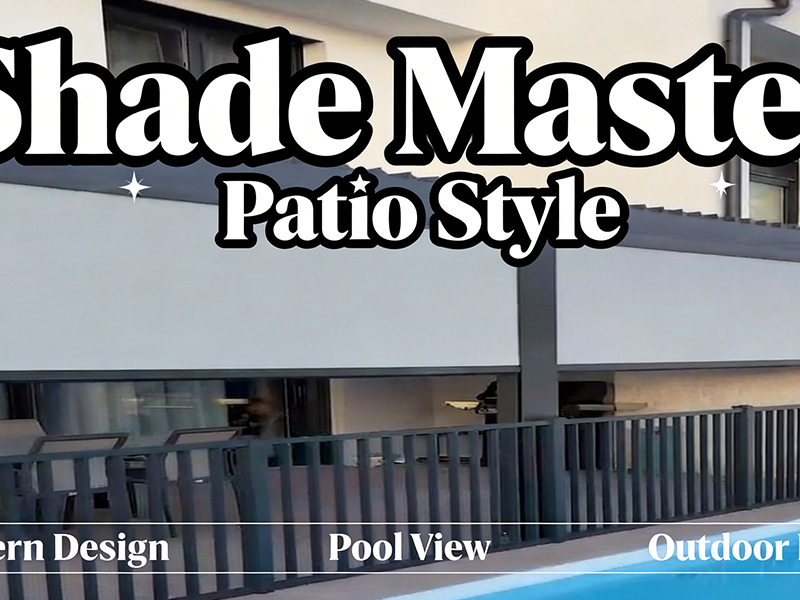
حالة العميل: النمسا - العريشة المصنوعة من الألومنيوم Z200 المثبتة على الحائط بجوار حمام السباحة (7.23 م × 2.55 م × 2.752 م) مع نظام سومفي المجهز بمحرك وستائر بسحاب
في SUNC، من المعتقد أن الطريقة المثلى لإثبات جودة المنتج هي من خلال تعليقات العملاء الحقيقية. واليوم، تتم مشاركة مشروع من النمسا. في هذا المشروع، اختار صاحب المنزل Z200 Rotate العريشة الألومنيوم نموذج للتركيب على الحائط بجوار حمام السباحة. تم تجهيز هذه العريشة بالكامل بنظام العريشة المزودة بمحرك من Somfy وستائر بسحاب. هذه الحالة بمثابة توضيح مثالي لكيفية العريشة الذكية من سومفي ، عند دمجها مع هيكل من الألومنيوم عالي الجودة، يمكنها تحويل منطقة حمام السباحة إلى مساحة عملية ومريحة وجذابة بصريًا. نظرة عامة على المشروع الفئة التفاصيل الموقع النمسا نموذج العريشة Z200 Rotate Pergola (إطار من الألومنيوم) نوع التثبيت مثبت على الحائط الأبعاد 7.23 م (طول) × 2.55 م (عرض) × 2.752 م (ارتفاع) لون الإطار رمادي غامق المحركات نظام العريشة الآلية من سومفي الميزات الذكية العريشة الذكية من سومفي (remote app control) نموذج للمكفوفين الجانبيين ستائر شبكية بسحاب (موديل SCFJ - 0103 - 5P) اللون الجانبي الأعمى رمادي فاتح المحيطة حمام سباحة بجوار العريشة لماذا اختار العميل العريشة الدوارة Z200 العريشة المصنوعة من الألومنيوم مع Somfy كان العميل بحاجة إلى حل مقاوم للطقس ومنخفض الصيانة لمنطقة حمام السباحة الخاصة به. توفر المساحة الأصلية ظلًا محدودًا، وغالبًا ما تجعل الرياح القوية منطقة المسبح غير مريحة. بعد مقارنة المواد، تم اختيار الألومنيوم نظرًا لخصائصه المقاومة للصدأ والماء، والتي تعد ضرورية لأي هيكل يتم تركيبه بجوار حمام السباحة. ما عزز هذا المشروع حقًا هو دمج نظام العريشة المزودة بمحرك من Somfy. رغب العميل في التشغيل الآلي الكامل، مما مكنه من التحكم في كل من السقف المزود بفتحات والستائر ذات السحاب باستخدام جهاز تحكم عن بعد واحد أو تطبيق هاتف ذكي، مما يجعله تركيب عريشة ذكية أصلية من Somfy. يوفر التصميم المثبت على الحائط المساحة بينما يوفر إحساسًا قويًا ودائمًا. الأبعاد (7.23 م في الطول، 2.55 م في العرض، 2.752 م في الارتفاع) خلقت غرفة خارجية واسعة تتناسب تمامًا مع جدار المنزل. سقف ذو فتحات قابلة للتعديل. محرك سومفي – تحكم كامل إحدى الميزات الأساسية لنموذج Z200 Rotate Pergola هو السقف المزود بفتحات قابلة للتعديل. مع نظام العريشة المزودة بمحرك من Somfy، يمكن للعميل التحكم بسهولة في زاوية فتحات التهوية باستخدام جهاز التحكم عن بعد أو عبر الهاتف الذكي: -مغلق بالكامل – يوفر الظل الكامل والحماية من المطر. - مفتوح جزئيًا - يسمح بتدفق الهواء مع حجب أشعة الشمس المباشرة. - مفتوح بالكامل - يسمح بأقصى قدر من ضوء الشمس والهواء النقي. باعتباره عريشة ذكية من Somfy، يمكن أيضًا برمجة النظام للاستجابة لظروف الطقس. على سبيل المثال، يمكن إغلاق السقف تلقائيًا عند اكتشاف المطر أو ضبط زاوية فتحات التهوية بناءً على موضع الشمس. وتعني هذه المرونة أنه يمكن استخدام المنطقة المجاورة لحمام السباحة في أي حالة مناخية تقريبًا، بدءًا من فترة ما بعد الظهيرة في الصيف الحار وحتى هطول المطر الخفيف. ستائر بسحاب – حماية من الرياح بمظهر نظيف بدلاً من الستائر الجانبية التقليدية، اختار العميل ستائر بسحاب (موديل SCFJ - 0103 - 5P) باللون الرمادي الفاتح. على عكس الستائر القياسية، ستائر الشاشة المضغوطة هي: - مشدود وموجه - يتم تشغيل القماش في قنوات جانبية بنظام سحاب، مما يمنع الخفقان في مهب الريح. - أكثر مقاومة للرياح - يمكن أن تظل منتشرة في رياح أقوى من الستائر التقليدية. - نظيف وعصري - اللون الرمادي الفاتح يتطابق تمامًا مع الإطار الرمادي الداكن. - سهلة التشغيل - يمكن دمجها مع نظام العريشة المزودة بمحرك من Somfy للتحكم بلمسة واحدة. تعتبر ستائر Zip Screen مثالية للتركيبات بجانب حمام السباحة لأنها: -منع الرياح القوية – إنشاء منطقة هادئة بجوار الماء. - توفير الخصوصية – فحص منطقة حمام السباحة عن الجيران. - تقليل التعرض للأشعة فوق البنفسجية - توفير ظل إضافي خلال ساعات الذروة للشمس. - احفظ الغبار والحطام - مما يساعد في الحفاظ على نظافة حمام السباحة. عند دمجها مع نظام العريشة الذكية من Somfy، يمكن خفض أو رفع ستائر السحاب تلقائيًا بناءً على سرعة الرياح أو الوقت من اليوم. إطار رمادي غامق ستائر رمادية فاتحة بسحاب – جمالية حديثة اختار العميل إطارًا باللون الرمادي الداكن لبرجولة التهوية، مما يخلق تباينًا بصريًا قويًا مع مياه حوض السباحة الزرقاء والمساحات الخضراء المحيطة. تضيف الستائر ذات السحاب الرمادي الفاتح (موديل SCFJ - 0103 - 5P) مظهرًا ناعمًا ومتوازنًا مع توفير المزايا العملية المذكورة أعلاه. يمنح الجمع بين اللون الرمادي الداكن والرمادي الفاتح المساحة الخارجية مظهرًا عصريًا متميزًا يكمل الهندسة المعمارية النمساوية الحالية. يتم تركيبها بجوار حمام السباحة - أداء حقيقي في بيئة رطبة بما أن العريشة مثبتة بجوار حمام السباحة مباشرة، فإنها تتعرض باستمرار للرطوبة والكلور والمياه المتناثرة. هذا هو المكان الذي يتفوق فيه الألمنيوم على الخشب والفولاذ: - لا يصدأ - الألومنيوم مقاوم للتآكل بشكل طبيعي. - لا يتعفن - على عكس الخشب، لا يمتص الألومنيوم الماء. - لا يوجد طلاء أو ختم - المصنع - تظل اللمسات النهائية المطبقة سليمة لسنوات. تم أيضًا تصنيف مكونات العريشة المزودة بمحرك من Somfy للاستخدام الخارجي، مما يضمن التشغيل الموثوق به على الرغم من البيئة الرطبة بجوار حمام السباحة. أبلغ العميل أنه بعد التركيب، لم تظهر العريشة أي علامات تآكل على الرغم من تعرضها المنتظم لمياه حوض السباحة والطقس النمساوي، الذي يشمل الصيف الحار والشتاء البارد. كيف تعمل العريشة الدوارة Z200 مع Somfy على تحسين الحياة اليومية منذ تركيب العريشة Z200 Rotate Pergola مع نظام العريشة الذكية من Somfy والستائر ذات السحاب، أصبح صاحب المنزل قادرًا على: - استمتع بمنطقة حمام السباحة حتى في الأيام الحارة والمشمسة - يوفر السقف المزود بفتحات آلية ظلًا فوريًا بضغطة زر. - ابق بالخارج أثناء المطر الخفيف - السقف المغلق يخلق منطقة جافة، والستائر السحابية تمنع هبوب المطر من الجوانب. - استخدم حوض السباحة في وقت لاحق من المساء - يمكن للهيكل أن يستوعب إضاءة LED مدمجة (اختياري). - استضافة الضيوف بشكل مريح - تعمل الستائر السحابية على حجب الرياح، مما يجعل المساحة قابلة للاستخدام حتى في الأيام المنعشة. - حماية الأثاث الخارجي - السقف والستائر تقلل من أضرار أشعة الشمس والطقس. - أتمتة كل شيء - باعتبارها عريشة ذكية من Somfy، يمكن جدولة النظام أو تشغيله بواسطة أجهزة استشعار الطقس. ملخص المواصفات الفنية بالنسبة لأولئك الذين يفكرون في إعداد مماثل، إليك المواصفات الرئيسية لهذا التثبيت: الفئة التفاصيل الموقع النمسا نموذج العريشة Z200 Rotate Pergola (إطار من الألومنيوم) نوع التثبيت مثبت على الحائط الأبعاد 7.23 م (طول) × 2.55 م (عرض) × 2.752 م (ارتفاع) لون الإطار رمادي غامق المحركات نظام العريشة الآلية من سومفي الميزات الذكية العريشة الذكية من سومفي (remote app control) نموذج للمكفوفين الجانبيين ستائر شبكية بسحاب (موديل SCFJ - 0103 - 5P) اللون الجانبي الأعمى رمادي فاتح المحيطة حمام سباحة بجوار العريشة هل العريشة الدوارة Z200 مع Somfy مناسبة لمشروعك؟ تؤكد التعليقات الواردة من العميل النمساوي أن العريشة المصنوعة من الألومنيوم Z200 Rotate Pergola جنبًا إلى جنب مع نظام العريشة المزودة بمحرك من Somfy والستائر ذات السحاب هي خيار ممتاز لما يلي: - المنشآت بجانب حمام السباحة. - تكوينات مثبتة على الحائط. -المنازل ذات الرطوبة العالية أو التعرض للرطوبة. - أصحاب المنازل الذين يرغبون في إنشاء هيكل خارجي حديث ومنخفض الصيانة ومؤتمت بالكامل. - العقارات التي تتطلب الحماية والخصوصية من الرياح. - أي شخص يبحث عن حل العريشة الذكية من Somfy. إذا كنت تخطط لمشروع مماثل، فكر في الأسئلة التالية: - ما هي الأبعاد الدقيقة لمنطقة التثبيت الخاصة بك؟ - هل ستكون العريشة مثبتة على الحائط أم قائمة بذاتها؟ - هل تريد عريشة بمحرك من Somfy مزودة بجهاز تحكم عن بعد والتحكم في التطبيق؟ -هل تحتاج إلى ستائر بسحاب للحماية من الرياح والخصوصية؟ - ما هي مجموعة الألوان التي تتناسب بشكل أفضل مع بنيتك الحالية؟ الأفكار النهائية من العميل وفي ملاحظاتهم، أكد صاحب المنزل النمساوي على نقطتين رئيسيتين: إن Z200 Rotate Pergola المزودة بمحركات Somfy جعلت منطقة حمام السباحة لدينا قابلة للاستخدام لساعات إضافية من اليوم. لم نعد نقلق بشأن الشمس القوية أو المطر الخفيف المفاجئ. الستائر السحابية تُغير قواعد اللعبة - فهي لا تتطاير في مهب الريح مثل الستائر العادية. والإطار ذو اللون الرمادي الداكن مع الستائر ذات اللون الرمادي الفاتح يبدو تمامًا كما تخيلناه - حديث ونظيف. وأشاروا أيضًا إلى أن هيكل الألومنيوم ونظام العريشة الذكية من Somfy يوفران راحة البال لأنهما يعلمان أن الهيكل لن يصدأ أو يتطلب صيانة مستمرة أو يحتاج إلى تشغيل يدوي، حتى مع وجود حمام سباحة على بعد بضعة أقدام فقط. شارك مشروعك معنا هل لديك عريشة من الألومنيوم مثبتة بجوار حمام السباحة الخاص بك؟ أم أنك تخطط لعريشة Somfy الآلية مع ستائر بسحاب؟ سنكون سعداء أن نسمع عن تجربتك. اتصل بنا للحصول على عرض أسعار مخصص بناءً على أبعادك وألوانك المفضلة والميزات الاختيارية مثل إضاءة LED أو التدفئة أو أتمتة العريشة الذكية الكاملة من Somfy.
-
هل تحب
احصل على عرض أسعار
ماذا ترى؟ -
رابط سريع
الرئيسية نبذة عن SUNC تصميم مخصص الموارد كن تاجرًا اتصل بنا -
البرجولات
البرجولات ذات الشرائح متحركة البرجولات الشمسية البرجولات PVC -
المنتجات
ستائر Zip Screen المظلات الخارجية المظلات مظلات سيارات الألومنيوم الستائر الداخلية أبواب زجاجية منزلقة أنظمة المطبخ الخارجية نوافذ منزلقة رأسياً ملحقات البرجولات -
معلومات الاتصال

فيفيان: +86-18101873928

+86-021-59140027

yuanyuan.wei@sunctech.cn

A-2، رقم 8 طريق باوكسيو الغربي، شارع يونغفنغ، منطقة سونغجيانغ، شنغهاي، الصين


حقوق الطبع والنشر © Shanghai SUNC Intelligence Shade Technology Co., Ltd. جميع الحقوق محفوظة.
